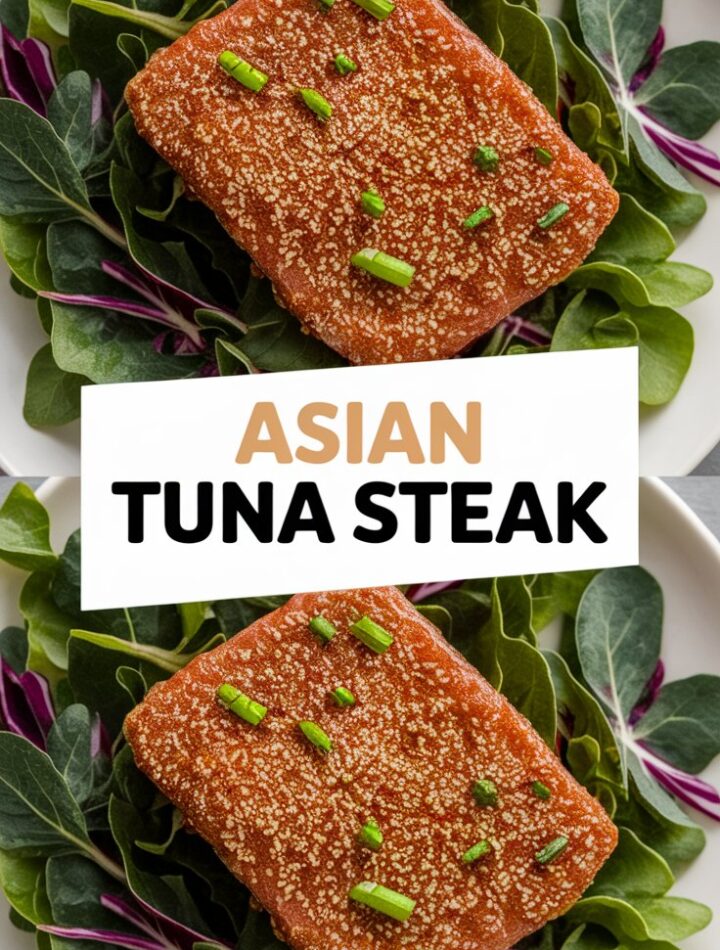
There is something uniquely satisfying about preparing a meal that is both simple and luxurious, and few dishes embody this balance as beautifully as an Asian-inspired tuna steak. Combining the richness of high-quality seafood with clean, bright flavors, a well-prepared tuna steak offers a restaurant-worthy experience without demanding complicated techniques or an endless ingredient list.
While tuna steaks may seem intimidating at first glance—especially for home cooks accustomed to milder proteins like chicken or salmon—this cut of fish is surprisingly forgiving when treated with respect. A properly heated surface, a balanced marinade, and a few minutes of attentive cooking are all that stand between you and a perfectly seared, tender, flavorful dish.
What Makes Asian Tuna Steak Unique?
Tuna steak stands apart from many types of seafood due to its meat-like qualities. Its dense structure and rich, naturally savory flavor lend themselves particularly well to Asian-inspired flavor profiles rich in umami, sesame, ginger, and aromatics.
Unlike flaky white fish, tuna behaves more like beef tenderloin: it can be seared quickly over high heat, sliced, and enjoyed medium-rare without compromising safety or texture. This combination of delicate flavor and sturdy texture makes it ideal for marinades and sauces that layer depth without overpowering the fish.
Asian-style preparations work exceptionally well because they emphasize:
- Balanced umami
- Fresh aromatics
- Light acidity
- Minimal sweetness
- High-heat searing
The goal is not to hide the tuna but enhance its natural flavor with bold yet harmonious notes.
Choosing the Best Tuna for Cooking
1. Sushi-Grade vs. Standard Tuna
“Sushi-grade” refers to tuna processed and frozen to a standard considered safe for raw consumption. While this is ideal for those who enjoy rare or medium-rare tuna, it is not mandatory for cooked dishes.
However, high-quality tuna typically offers:
- Better color
- Cleaner taste
- Firmer texture
- Lower moisture loss
2. Color and Appearance
Fresh tuna should have a deep red or rosy pink hue. Avoid fish that looks:
- Brown or grayish
- Wet and mushy
- Unnaturally bright (dyed tuna exists)
The flesh should feel solid, not sponge-like.
3. Thickness Matters
Ideally, tuna steaks should be:
- 1 to 1.5 inches thick
Thinner steaks cook too quickly, making it difficult to control doneness.
4. Sustainability Considerations
Tuna is a heavily fished species. When available, look for certifications such as:
- MSC-certified
- Line-caught
- Sustainable fisheries
This supports marine ecosystems and ethical sourcing.
Understanding the Flavor Profile
A great Asian tuna steak relies on flavors that balance without competing. The most successful marinades incorporate the following essentials:
1. Umami Foundation
Umami is the backbone of Asian cuisine and enhances tuna’s natural savoriness. Common umami sources include:
- Soy sauce
- Tamari
- Miso paste
- Fish sauce (used sparingly)
2. Aromatic Heat
Spices bring warmth without overwhelming the dish. Ginger is a classic choice because it complements seafood beautifully, adding heat and brightness.
Other aromatics include:
- Garlic
- Scallions
- Chili paste
3. Acidity
Acid balances richness and prevents the dish from tasting heavy. Options include:
- Rice vinegar
- Lime juice
- Mirin (mild sweetness)
4. Sesame
Sesame oil or seeds offer:
- Nutty aroma
- Crisp exterior
- Distinct Asian identity
Sesame oil should always be used in moderation to avoid bitterness.
5. Sweetness (Optional)
Small amounts of sweetness can round out a marinade. Common sources include:
- Honey
- Brown sugar
- Maple syrup
The goal is balance—not dessert.
Crafting the Perfect Marinade
A high-quality tuna steak marinade should accomplish three things:
- Enhance flavor
- Tenderize slightly
- Promote browning
Common proportions include:
- 2 parts oil
- 1 part soy
- 1 part acid
- Aromatics to taste
Do You Need Long Marination?
Unlike chicken, tuna does not require hours of marination. Because of its delicate structure, long marinating times can break down the surface texture.
Ideal marination time:
20 minutes to 2 hours
Overnight marinating is not usually beneficial and may compromise texture.
Cooking Techniques: The Science Behind the Perfect Sear
Tuna cooks exceptionally quickly, and its ideal texture is achieved when it is seared aggressively while remaining pink or red inside.
Why High Heat Is Essential
- High heat promotes the Maillard reaction
- Creates a crisp crust
- Prevents sticking
- Preserves interior tenderness
Cooking Methods
Best methods:
- Cast-iron pan
- Grill
- Broiler
Avoid low-heat sautéing; it leads to dull color and dry texture.
Controlling Doneness
Because tuna has a low-fat structure, overcooking causes:
- Tough texture
- Dryness
- Metallic aftertaste
The interior should remain soft, not crumbly.
Temperature Guide
- Rare: 125°F
- Medium-rare: 130–135°F
- Medium: 140°F
- Well-done: 145°F and firm
Cooking beyond medium is possible but not recommended for premium tuna.
Side Dishes That Complement Asian Tuna Steak
A well-balanced plate enhances the dish rather than competing with it.
Top Choices:
- Steamed jasmine rice
Light, fragrant, excellent at absorbing sauce. - Ginger-lime slaw
Crunchy contrast and acidity. - Stir-fried vegetables
Bok choy, snap peas, carrot ribbons. - Cold sesame noodles
Creamy, rich, satisfying. - Cucumber salad
Refreshing palate cleanser.
Avoid pairing with:
- Heavy cream sauces
- Starches with intense seasoning
- Excessively sweet dishes
The star should remain the tuna.
Nutrition and Health Benefits
Tuna is frequently praised for its nutritional profile. A single serving typically offers:
- Lean protein
- Omega-3 fatty acids
- Low carbohydrates
- High micronutrient density
Benefits of Omega-3s
These essential fatty acids are linked to:
- Heart health
- Reduced inflammation
- Improved cognitive function
- Lower triglycerides
Common Mistakes and How to Avoid Them
1. Overcooking
The most frequent error.
Pull tuna from heat earlier than you expect; residual heat continues cooking.
2. Cold Fish on a Hot Pan
Cold protein leads to uneven cooking and steaming.
Solution:
Let tuna rest at room temperature 15–20 minutes before cooking.
3. Too Much Sauce During Cooking
Excess liquid interferes with searing.
Use sauce sparingly during cooking; serve extra on top afterward.
4. Low Heat Cooking
Leads to rubbery texture and dull color.
Always use high heat.
5. Excessive sesame seeds
Sesame burns quickly.
Use lightly for crunch, not as a thick coating.
Storing and Reheating
Refrigeration
Up to 2 days
Wrap tightly to prevent odor transfer.
Freezing
Not recommended.
Freezing degrades texture and flavor rapidly.
Reheating
Best method: low heat, quick warming.
Avoid microwave heating, which leads to dryness.
Variations and Flavor Adaptations
Spicy Chili Garlic
Add chili paste and garlic for heat.
Citrus Ginger
Substitute lime and orange juice.
Honey-Soy Glaze
Light sweetness for caramelization.
Coconut-Lime
Subtle creaminess with tropical notes.
Serving Ideas
- Sliced with sesame noodles
- Over rice bowls
- With pickled vegetables
- In lettuce wraps
- As poke-style cubes
Tuna adapts beautifully to multiple formats.
Conclusion
Asian tuna steak is a dish that rewards both simplicity and attention to detail. By selecting quality ingredients, balancing flavors thoughtfully, and applying heat confidently, you can transform a few everyday pantry staples into a restaurant-quality meal.
What makes tuna exceptional is its versatility: it can be rare and elegant, bold and spicy, minimalist and delicate, or served as part of a complete, nutritious meal. With a strong understanding of flavor principles, cooking science, and timing, anyone can master this dish at home.