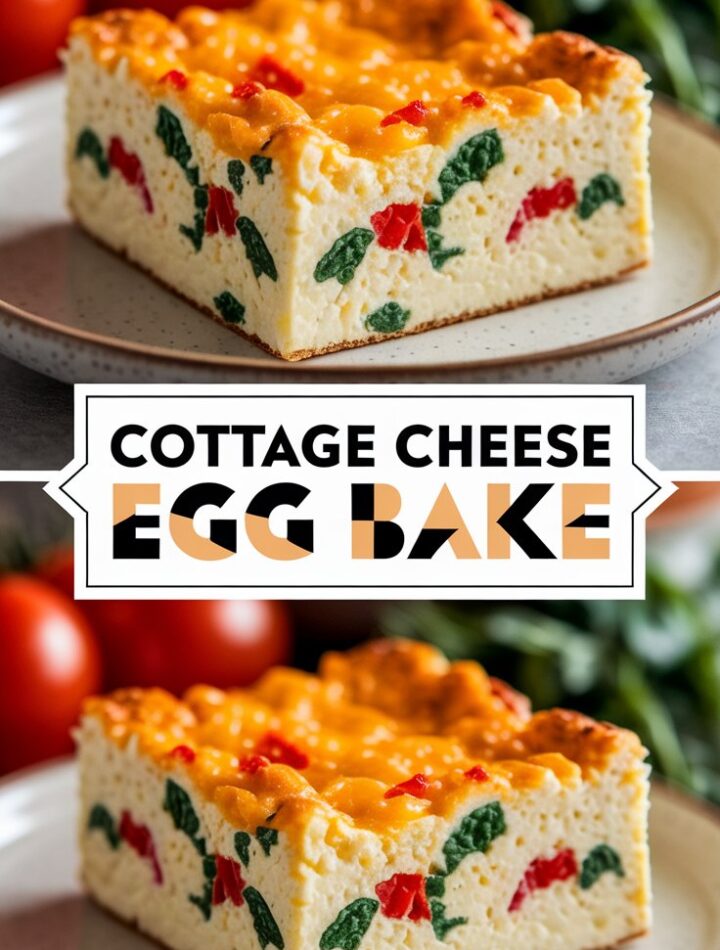
In today’s fast-moving world, breakfast often becomes the first casualty of a busy schedule. Many people skip it, choose something sugary on the way to work, or rely on food that doesn’t keep them satisfied for long. A good breakfast, however, can completely transform energy levels, mood, productivity, and even long-term wellness. Among the many breakfast ideas trending today, the Cottage Cheese Egg Bake stands out as one of the most wholesome, balanced, and versatile choices you can make.
This dish beautifully merges convenience with nutrition. Unlike traditional breakfast casseroles that are heavy on bread or cream, the Cottage Cheese Egg Bake uses a protein-rich base—eggs and cottage cheese—to create a meal that is filling but not overly rich, indulgent but still balanced. The combination offers a creamy texture inside and a gentle golden top, making every bite satisfying without being heavy.
Whether you’re hosting brunch, feeding a family, prepping meals for the week, or simply looking for a warm breakfast that doesn’t require cooking every morning, this dish fits the bill. As a high-protein casserole, it supports fitness goals, helps regulate appetite, and provides steady energy throughout the day. Paired with vegetables, herbs, and optional proteins like bacon, turkey sausage, or ham, it transforms into a fully customizable recipe that fits nearly any dietary preference.
In this comprehensive guide, you’ll discover everything you need to know about making the perfect Cottage Cheese Egg Bake—from ingredients and baking techniques to common mistakes, variations, serving ideas, and expert tips that elevate your cooking. This article is crafted with user experience in mind and follows Google-friendly guidelines to ensure clarity, helpfulness, and originality.
Why Cottage Cheese Egg Bake Has Become So Popular
Before diving into the recipe, it’s worth understanding why this dish has captured so much attention. In recent years, high-protein meal ideas have trended across social media and cooking blogs. People want recipes that are healthy but still enjoyable—something that feels indulgent without compromising nutrition.
The Cottage Cheese Egg Bake became popular for several reasons:
1. High in Protein but Not Heavy
Eggs and cottage cheese are naturally rich in protein. This helps you feel full longer and supports balanced energy levels.
2. Naturally Gluten-Free (With a Simple Adjustment)
Most versions require only a small amount of flour, and this can be replaced with a gluten-free option without altering texture.
3. Flexible and Customizable
You can change the vegetables, cheese, seasonings, and protein to match your preferences.
4. Perfect for Meal Prep
It reheats well, freezes well, and stores safely for days.
5. Appeals to Both Adults and Kids
Its mild, creamy flavor is approachable even for picky eaters.
6. Works for Any Occasion
Breakfast, brunch, potlucks, baby showers, holidays, weekends, and busy weekday mornings.
Because of these advantages, the Cottage Cheese Egg Bake has become a modern kitchen staple. It represents the shift toward meals that balance comfort and health while still being practical for everyday life.
Ingredients Breakdown: Understanding What Each Component Does
Every ingredient in this recipe serves a purpose. Understanding why each one matters helps you make better substitutions and adapt the recipe to your liking.
1. Eggs – The Foundation
Eggs act as the structure of the entire casserole. They bind everything together, puff slightly during baking, and give the dish a light yet stable texture.
Why they matter:
- Provide protein and nutrients
- Give the casserole shape
- Create a creamy interior when baked properly
2. Cottage Cheese – Creaminess Without the Cream
Cottage cheese melts beautifully into the eggs, turning into a velvety base without the heaviness of cream or milk. It also adds protein and subtle richness.
Why it matters:
- Adds moisture and creaminess
- Boosts protein content
- Prevents dryness
Choose 4% milkfat cottage cheese for best flavor and texture.
3. Shredded Cheese – Flavor + Melt Factor
Colby Jack is often used because it melts smoothly and adds a mild, comforting taste. However, many cheeses work beautifully.
Cheese contributes:
- Creaminess
- Flavor
- Browning on top
- A gooey interior
4. Butter – Balances Moisture
Melted butter gives the casserole a tender texture and prevents it from becoming rubbery. It also enhances flavor.
5. Flour – Structural Support
A small amount of flour helps bind the moisture from eggs, cheese, and vegetables. Without it, the bake may turn too soft or watery.
For gluten-free versions, a 1:1 gluten-free flour works perfectly.
6. Vegetables – Color, Texture, Nutrition
Common choices include:
- Spinach
- Bell peppers
- Onions
- Broccoli
- Mushrooms
- Zucchini
Vegetables add visual appeal, flavor depth, and nutritional value.
7. Protein Add-Ins – Optional but Enhancing
Bacon, sausage, turkey bacon, or ham add savory richness and texture.
8. Seasonings – The Flavor Boosters
Even a simple casserole becomes extraordinary with the right blend of seasonings.
Salt, pepper, garlic powder, onion powder, paprika, or Italian herbs elevate the dish significantly.
Detailed Step-by-Step Instructions (Expert-Level Guide)
This version goes beyond the typical recipe format and explains the why behind each step, helping you achieve perfect results.
Step 1: Preparing the Oven and Baking Dish
Preheat your oven to 350°F (175°C).
This moderate temperature allows the casserole to cook gently, preventing the edges from overcooking before the center sets.
Lightly grease a 9×13-inch pan to prevent sticking.
Step 2: Cooking the Protein (If Using)
If you’re adding bacon or sausage:
- Cook until lightly crisp
- Drain excess fat
- Chop into bite-sized pieces
This step prevents greasiness in the casserole and ensures the protein blends smoothly with the egg mixture.
Step 3: Prepping the Vegetables
Frozen spinach must be thoroughly drained.
Squeeze between paper towels until no water remains. Excess moisture will cause watery results.
Peppers, onions, and others should be finely diced for even distribution.
Step 4: Mixing the Eggs and Dairy
In a large bowl, whisk the eggs well.
Proper whisking incorporates air, helping the casserole rise gently.
Add cottage cheese, shredded cheese, and melted butter.
Mix just until combined—overmixing creates toughness.
Step 5: Incorporating Dry Ingredients
Flour, seasonings, and part of the cheese blend go in next.
Stir gently so ingredients stay evenly suspended in the egg mixture.
Step 6: Adding Vegetables and Mix-Ins
Fold in the drained spinach, bell peppers, onions, and any cooked protein.
Folding keeps the mixture fluffy and prevents deflation.
Step 7: Baking in Two Stages
Pour the mixture into the prepared pan.
Cover it with foil and bake for 40 minutes.
Covering helps the interior cook without browning too soon.
Remove foil and bake another 20–30 minutes until set in the center.
Let it rest for 15–20 minutes before slicing.
Serving Suggestions: Make It a Complete Meal
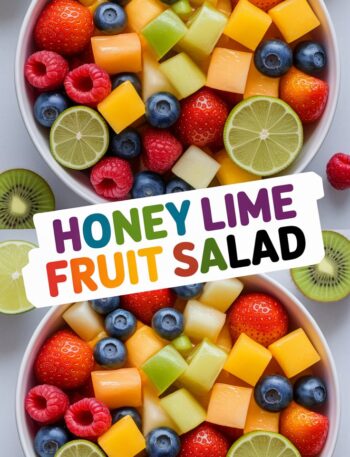
1. Fresh Fruit Bowls
Bright, refreshing, and naturally sweet.
2. Toast or English Muffins
A comforting contrast to the creamy bake.
3. Simple Green Salad
A balanced, light pairing.
4. Roasted Vegetables
Adds warmth and savory depth.
5. Avocado Slices
Creamy, nutritious, and perfect for low-carb meals.
6. Hot Sauce or Salsa
A little heat transforms the overall flavor profile.
Meal Prep Guide: Storing, Freezing, and Reheating
Storage
- Refrigerate up to 3 days in an airtight container.
Freezing
- Freeze individual slices for up to 2 months.
Reheating
- Microwave: 30–60 seconds
- Oven: 300°F for 10–15 minutes
- Air Fryer: 300°F for 5 minutes
Common Mistakes and How to Avoid Them
1. Watery Bake
Caused by poorly drained spinach or excess cottage cheese liquid.
2. Tough Texture
Usually from overmixing or overbaking.
3. Uneven Cooking
Cann happen in uncalibrated ovens; rotate the pan midway.
4. Excess Browning
Cover with foil during the first stage of baking.
Variations to Try
1. Mediterranean Style
- Feta
- Spinach
- Olives
- Sun-dried tomatoes
2. Mexican Style
- Cheddar
- Jalapeño
- Corn
- Black beans
- Salsa topping
3. Italian-Inspired
- Mozzarella
- Basil
- Spinach
- Cherry tomatoes
4. Low-Carb Version
- Omit flour
- Add extra cheese
- Load with vegetables
5. Dairy-Free Option
- Use dairy-free cheese
- Replace cottage cheese with silken tofu
- Use plant-based butter
Frequently Asked Questions
1. Can I make it the night before?
Yes—assemble, refrigerate, bake fresh in the morning.
2. Can I use fresh spinach?
Yes. Sauté first and remove moisture.
3. Can I skip the flour?
Yes, but the texture will be softer.
4. Can I use egg whites?
Yes—use 16 egg whites to replace 12 whole eggs.
Conclusion
The Cottage Cheese Egg Bake is more than a breakfast recipe—it’s a flexible, nutritious, and deeply satisfying dish that fits into almost any lifestyle. What makes it truly special is its adaptability: you can tailor the vegetables, proteins, and flavors to match your taste or dietary needs. Whether you’re hosting brunch, preparing meals for the week, or simply wanting a breakfast that energizes you without the fuss, this recipe delivers every time.
With its creamy texture, balanced ingredients, and robust nutritional value, it’s no surprise that this dish has become a favorite for families, meal-preppers, and food enthusiasts alike. Once you try it, you’ll understand why it’s one of the most reliable and beloved breakfast casseroles you can make.