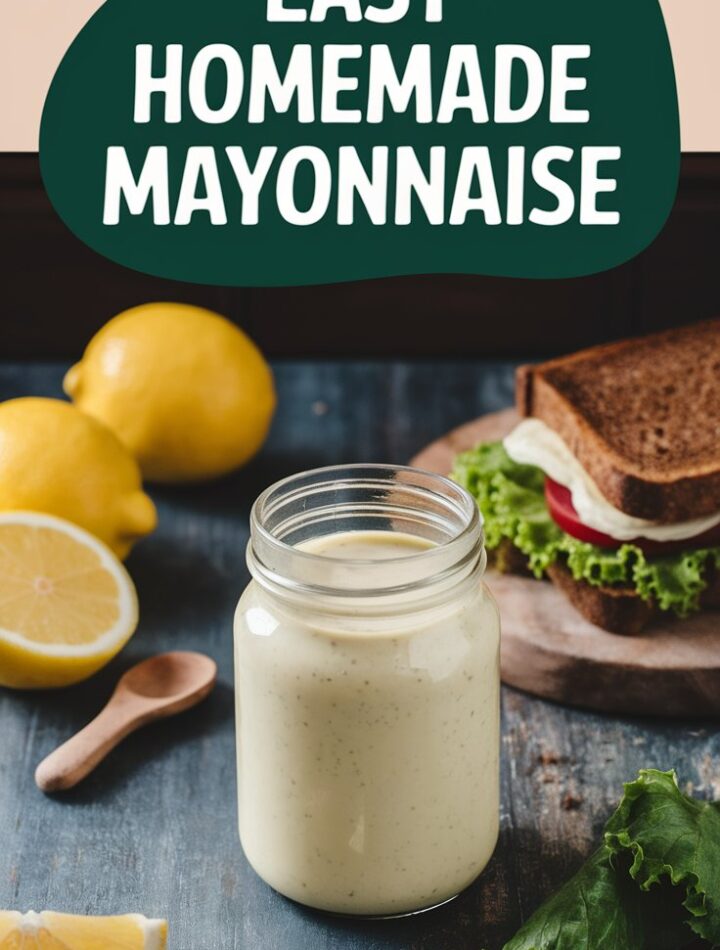
If you’ve ever tasted freshly made mayonnaise, you know there’s no comparison to the store-bought kind. It’s creamy, light, tangy, and versatile enough to complement nearly any dish. The best part? Making mayonnaise at home isn’t complicated — it’s actually one of the simplest and most satisfying kitchen skills you can master.
In this ultimate guide, you’ll learn how to make perfect homemade mayonnaise in just a few minutes using simple ingredients you already have in your kitchen. You’ll also discover expert tips, common mistakes to avoid, creative flavor variations, and storage secrets that will make your mayo last longer and taste fresher.
This article is written to be Google-friendly, user-oriented, and AdSense-safe — crafted entirely from scratch to provide real value for food lovers, beginners, and professionals alike.
🧾 What Is Homemade Mayonnaise?
Mayonnaise is a rich, creamy emulsion typically made by blending oil, egg, and acid (like lemon juice or vinegar). In store-bought jars, you’ll often find added preservatives and stabilizers — but at home, you can make a clean, natural, and customizable version in under five minutes.
Homemade mayonnaise has a delicate balance of fat, acidity, and texture. When done right, it creates a silky base that can be transformed into dips, dressings, spreads, and sauces. It’s a kitchen essential that elevates even the simplest meals.
🌿 Why You’ll Love Making It Yourself
There are many reasons to skip the jarred stuff and whip up your own batch of mayo:
- Fresher Taste: Homemade mayonnaise tastes cleaner and brighter, with a smoother texture.
- Healthier Ingredients: You control what goes in — no preservatives, artificial colors, or fillers.
- Customizable Flavors: Add garlic, herbs, or spices for your own signature version.
- Budget-Friendly: You can make a large batch for a fraction of the cost of premium store brands.
- Quick & Foolproof: With an immersion blender or food processor, it takes under one minute.
Making mayonnaise at home is one of those small wins that gives you confidence in the kitchen. Once you try it, you’ll never go back to the bottled version again.
🧰 Tools and Equipment You’ll Need
Homemade mayonnaise is all about proper emulsification — combining oil and liquid so they don’t separate. The right tools make this easy and almost fail-proof.
Essential Tools:
- Immersion Blender (Stick Blender): Best for a quick, stable emulsion.
- Tall Jar or Glass Container: The blender head should fit snugly to prevent splattering.
- Measuring Cups & Spoons: For accuracy in proportions.
- Airtight Container: For storing your finished mayonnaise safely in the fridge.
Optional Tools:
- Food Processor or Blender: Great if you don’t have an immersion blender.
- Whisk & Bowl: Can work manually, though it takes more effort and precision.
💡 Pro Tip: Always use a clean, dry jar when blending and storing. Water or contamination can cause the mayonnaise to separate or spoil faster.
🥄 Ingredients You’ll Need
Here’s the simple formula for a creamy, classic mayonnaise base:
| Ingredient | Amount | Purpose |
|---|---|---|
| Whole Egg | 1 | Provides structure, richness, and helps emulsify the oil. |
| Lemon Juice | ½ tablespoon | Adds tanginess and stability. |
| White Wine Vinegar | 1 teaspoon | Balances acidity and flavor. |
| Dijon Mustard | ¼ teaspoon | Acts as a natural emulsifier and adds depth. |
| Sea Salt | ¼ teaspoon | Enhances taste. |
| Avocado Oil (or Light Olive Oil) | 1 cup | Creates the creamy texture and body. |
⚖️ Ingredient Notes & Substitutions
- Oil: Choose a neutral or mild-flavored oil like avocado, sunflower, grapeseed, or light olive oil. Avoid extra virgin olive oil, sesame oil, or coconut oil — their strong flavors overpower the emulsion.
- Acid: Lemon juice gives freshness; vinegar adds tang. A mix of both creates balance.
- Eggs: Use fresh or pasteurized eggs. Pasteurized eggs reduce the risk of bacteria while maintaining flavor and texture.
- Mustard: Dijon helps emulsify and adds a subtle tangy kick — yellow mustard can work in a pinch.
👩🍳 Step-by-Step Instructions: How to Make Easy Homemade Mayonnaise
Follow these simple steps for a creamy, thick, perfectly emulsified mayo every single time.
Step 1: Combine Base Ingredients
Add the egg, lemon juice, vinegar, mustard, and salt to a tall jar or narrow blending container. Pour the oil gently on top. Allow the mixture to rest for 30–60 seconds to settle.
Step 2: Start Blending
Place your immersion blender directly at the bottom of the jar, making sure it covers the egg yolk. Turn it on and hold it still for about 10–15 seconds. You’ll notice the mixture starting to thicken and turn pale.
Step 3: Emulsify Completely
Slowly move the blender up and down to incorporate the oil fully. Continue blending until the entire mixture becomes smooth, thick, and creamy.
Step 4: Taste & Adjust
Taste your mayonnaise. Add more salt, lemon juice, or mustard as desired for brightness and balance.
Step 5: Store Properly
Transfer to a clean, airtight glass jar. Refrigerate immediately. Use within 5–7 days for the best freshness.
🌶️ Flavor Variations & Creative Twists
Once you’ve mastered the basic recipe, experiment with these flavorful versions:
- Garlic Aioli: Blend in roasted or raw garlic for a Mediterranean twist.
- Herb Mayo: Add chopped parsley, dill, or basil for a fresh green flavor.
- Spicy Sriracha Mayo: Mix in sriracha or chili paste for a kick.
- Smoky Paprika Mayo: Stir in smoked paprika and a hint of lime juice.
- Lemon Pepper Mayo: Add grated lemon zest and cracked black pepper.
- Honey Mustard Mayo: Combine with a spoonful of honey for a sweet-savory blend.
- Avocado Mayo: Replace half the oil with ripe avocado for extra creaminess.
💡 Tip: Always blend flavor additions after your mayo has emulsified. Adding too many solids early can prevent proper thickening.
🥪 Serving Ideas and Delicious Uses
Homemade mayonnaise is incredibly versatile — think beyond sandwiches!
As a Spread:
- Classic BLT sandwiches or turkey wraps
- Burgers and sliders
- Grilled chicken or veggie sandwiches
As a Dip:
- Perfect for crispy fries, sweet potato wedges, or roasted potatoes
- Great with raw veggies like celery, cucumber, or carrots
In Salads:
- Use as a base for coleslaw or potato salad
- Mix into egg salad or tuna salad for extra creaminess
As a Dressing Base:
- Add vinegar, honey, and herbs to create creamy ranch or Caesar-style dressings
For Cooking:
- Brush over chicken before baking for extra juiciness
- Use as a marinade base for fish or shrimp
- Add to deviled eggs or casseroles for richness
⚠️ Common Mistakes (and How to Fix Them)
Even though mayonnaise is simple, a few mistakes can cause it to break or turn runny. Here’s what to avoid:
| Mistake | What Happens | How to Fix |
|---|---|---|
| Using strong oils | Overpowers flavor | Stick to neutral oils |
| Moving the blender too early | Emulsion fails | Keep blender still for first 10 seconds |
| Adding oil too fast (if using a blender) | Mixture separates | Drizzle oil slowly |
| Using cold ingredients | Emulsion won’t form | Use room-temperature ingredients |
| Overblending | Mayonnaise becomes greasy | Stop as soon as thickened |
If your mayo does separate, don’t panic. Start fresh with one egg yolk in a new jar, and slowly blend in the broken mixture — it will re-emulsify beautifully.
🧊 Storage & Freshness Tips
- Refrigeration: Store in a tightly sealed container in the fridge.
- Shelf Life: Lasts up to 7 days when made with fresh, pasteurized eggs.
- Avoid Freezing: Freezing breaks the emulsion and causes separation.
- Clean Utensils Only: Always use a clean spoon to scoop; bacteria from other foods can spoil it quickly.
💡 Bonus Tip: Label your jar with the date — fresh mayo tastes best within the first 3–4 days.
🥗 Health Benefits of Homemade Mayonnaise
While mayonnaise is known for its richness, homemade versions can actually be part of a balanced diet:
- Healthy Fats: When made with avocado or olive oil, it provides monounsaturated fats beneficial for heart health.
- No Preservatives: Free from additives, stabilizers, and artificial flavorings.
- Customizable Nutrition: You can reduce sodium or adjust the oil-to-egg ratio for lighter versions.
Remember, moderation is key — a small spoonful adds big flavor without overloading calories.
💡 Pro Tips from the Kitchen
- Room Temperature Ingredients: Cold eggs or oil can prevent emulsification.
- Choose the Right Oil: Light, neutral oils yield a cleaner flavor.
- Control the Acidity: Adjust lemon juice and vinegar gradually to suit your taste.
- Don’t Rush: Let the blender do its work; a steady hand makes perfect texture.
- Test Small Batches First: It’s easier to fix a small amount if something goes wrong.
- Add Flavors Last: Herbs, spices, and garlic should go in after emulsifying.
- Storage Hack: Cover the surface of mayo with plastic wrap before sealing the jar to prevent oxidation.
❓ Frequently Asked Questions (FAQs)
1. Can I make mayonnaise without eggs?
Yes! Replace the egg with aquafaba (the liquid from canned chickpeas). It creates a vegan version with nearly identical texture.
2. Why did my mayonnaise turn runny?
This happens if the ingredients didn’t emulsify properly. Reblend with a new yolk and drizzle the runny mayo back in slowly.
3. Can I make it in a regular blender?
Yes, but add oil very slowly while blending continuously to avoid separation.
4. Is homemade mayonnaise safe?
If made with fresh or pasteurized eggs, it’s safe to eat. Keep it refrigerated and consume within one week.
5. Can I flavor mayonnaise with garlic or herbs?
Absolutely! Just make sure to add them after the base has thickened. Fresh herbs and roasted garlic work best.
6. Why is my mayonnaise yellowish?
A deep yellow tone can come from darker yolks or mustard. It’s completely normal and adds richness.
7. Can I use vinegar only, without lemon juice?
Yes, though it may lack brightness. Combining both gives the best flavor balance.
8. How can I make low-fat mayonnaise?
Use half the oil amount and add Greek yogurt or silken tofu to maintain creaminess with fewer calories.
🍽️ Pairing Ideas: What Goes Best with Homemade Mayonnaise
Here are some creative pairing suggestions to make your meals shine:
- Crispy Sweet Potato Fries: A sweet-and-savory match.
- Grilled Salmon or Shrimp: Add dill mayo for a seafood-friendly sauce.
- Roasted Veggies: Toss veggies in a mayo-based dressing before baking.
- Deviled Eggs: Use mayo as the creamy base for the filling.
- Potato Salad: Classic comfort food that relies on great mayonnaise.
- Grilled Chicken Burgers: A spoonful of fresh mayo keeps them moist and flavorful.
🧾 Nutritional Breakdown (Approximate per Tablespoon)
- Calories: 165
- Total Fat: 18g
- Protein: 0.3g
- Carbohydrates: 0.1g
- Cholesterol: 8mg
- Sodium: 60mg
These numbers vary depending on your oil and seasoning choices, but generally, homemade mayo is a source of healthy fats when used responsibly.
🧠 The Science Behind Mayonnaise
At its core, mayonnaise is an emulsion — a mixture of two liquids (oil and water) that normally don’t combine. The lecithin in egg yolk acts as a natural stabilizer, binding the oil droplets with the water molecules to form a thick, creamy texture.
Temperature, blending speed, and ratio are crucial. If one is off, the mixture can separate. But once you understand the science, you can tweak it endlessly — making it lighter, thicker, tangier, or sweeter to suit your style.
💬 Expert Advice: Mastering the Texture
A perfect mayonnaise should:
- Hold soft peaks when spooned
- Have a pale, glossy appearance
- Taste balanced — not oily, salty, or acidic
If it tastes flat, add a pinch of salt or mustard.
If too thick, mix in a teaspoon of warm water.
If too tangy, blend in a little more oil.
Cooking is chemistry — and mayonnaise is one of the best examples of edible science.
🌸 Final Thoughts: Your New Kitchen Essential
Homemade mayonnaise isn’t just a condiment — it’s a kitchen essential that reflects the art of simple, mindful cooking. In less than three minutes, you can transform basic ingredients into a rich, flavorful base that complements everything from fries to gourmet sandwiches.
Once you master this recipe, experiment with flavors and textures to make it truly your own. Whether you’re a seasoned chef or a beginner in the kitchen, this easy homemade mayonnaise will quickly become your go-to favorite — creamy, natural, and made with love.