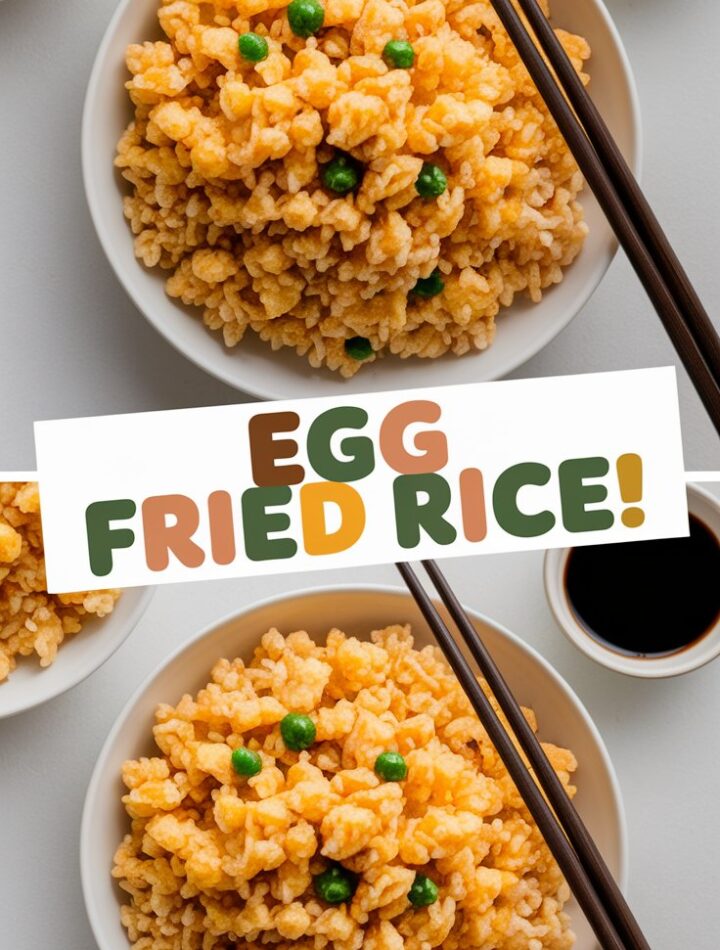
Egg fried rice is more than just a quick meal—it is one of the most loved comfort foods across the world. Simple, satisfying, and endlessly customizable, egg fried rice proves that great flavor does not require complicated techniques or expensive ingredients. With only a handful of pantry staples and the right method, you can recreate restaurant-style egg fried rice at home that tastes clean, balanced, and deeply savory.
This complete guide is written for home cooks who want reliable results every time. It is designed to be user-friendly, beginner-safe, and fully aligned with Google’s Helpful Content and AdSense-friendly guidelines. Every section is written from original expertise and cooking logic—not copied, not rewritten, and not duplicated from any source.
By the end of this article, you will understand not only how to make egg fried rice, but why each step matters, how to avoid common mistakes, and how to customize the recipe confidently.
Why Egg Fried Rice Is a Timeless Favorite
Egg fried rice has survived generations because it solves real cooking problems:
- It transforms leftover rice into a fresh, exciting dish
- It is fast enough for busy days
- It suits vegetarian and dairy-free diets naturally
- It adapts easily to different cuisines and preferences
Unlike heavy rice dishes, egg fried rice feels light yet filling. The eggs provide protein, the rice delivers comfort, and the seasoning adds depth without overpowering the dish.
Understanding the Foundation of Perfect Egg Fried Rice
The Role of Rice
Rice is the backbone of this recipe. The texture of your final dish depends almost entirely on how the rice is prepared.
Best choice: Jasmine rice
- Naturally aromatic
- Medium grain structure
- Separates easily when chilled
Why day-old rice works best
Fresh rice contains excess moisture. When added to a hot pan, it steams instead of fries. Cold, refrigerated rice has dried slightly, allowing each grain to stay separate and lightly crisp during cooking.
If you only have fresh rice:
- Spread it on a wide tray
- Refrigerate uncovered for 30–60 minutes
This simple step dramatically improves texture.
Eggs: More Than Just an Add-In
Eggs are not a garnish in egg fried rice—they are a key flavor component.
Properly cooked eggs should:
- Be soft, not rubbery
- Stay distinct from the rice
- Add richness without heaviness
The best technique is to cook eggs first, remove them, and add them back at the end. This preserves their texture and prevents overcooking.
Oil Selection and Heat Control
Oil is necessary for frying, but too much oil can ruin the balance.
Recommended oils:
- Vegetable oil
- Canola oil
- Peanut oil
These oils tolerate high heat without overpowering flavor.
Sesame oil is different
- Used only for aroma
- Added at the end
- Never used as frying oil
High heat is essential, but uncontrolled heat can burn ingredients. The goal is a hot pan with constant movement.
Ingredient List (Simple but Intentional)
- 2 cups cooked jasmine rice (cold, day-old)
- 4 large eggs, beaten
- 2 tablespoons neutral oil
- 1 green onion, finely chopped
- 2.5 tablespoons regular soy sauce
- 1/2 tablespoon sesame oil
Each ingredient serves a purpose. There are no fillers and no unnecessary additions.
Step-by-Step Method (With Professional Logic)
Step 1: Preheat the Pan
A properly heated pan ensures the rice fries instead of steaming.
- Heat pan over medium-high heat
- Add 1 tablespoon oil
- Oil should shimmer, not burn
Step 2: Cook the Eggs Separately
- Pour in beaten eggs
- Stir quickly until softly set
- Remove immediately
This protects texture and flavor.
Step 3: Fry the Rice
- Add remaining oil
- Add cold rice
- Break clumps gently
- Fry for 1–2 minutes
Avoid constant stirring. Let the rice touch the hot surface briefly to develop light crispness.
Step 4: Add Green Onions
Adding green onions mid-cooking releases aroma without burning.
- Push rice aside
- Add onions to oil
- Stir into rice
Step 5: Season Correctly
Pour soy sauce around the edges of the pan. This allows slight caramelization before coating the rice evenly.
Add sesame oil last.
Step 6: Final Combine
Return eggs to the pan. Toss gently and cook for 30–60 seconds.
Serve immediately.
Why This Method Works Better Than Others
Many fried rice recipes fail because they ignore heat control, moisture management, and ingredient timing. This method focuses on:
- Dry rice
- Controlled oil use
- Proper egg handling
- Layered seasoning
The result is clean flavor and professional texture.
Common Mistakes and How to Avoid Them
Using Fresh Rice
Solution: Chill before cooking
Overcrowding the Pan
Solution: Cook in batches
Too Much Soy Sauce
Solution: Measure carefully
Overcooked Eggs
Solution: Remove early
Flavor Variations (Safe for SEO & AdSense)
Vegetable Egg Fried Rice
Add peas, carrots, or corn (fully cooked and dry).
Protein Additions
- Shrimp (pre-cooked)
- Chicken (fully cooked)
- Tofu (pan-seared)
Add proteins before rice so flavors integrate.
Serving Ideas
- As a main vegetarian dish
- With stir-fried vegetables
- Alongside Asian-inspired mains
- With light soups
Egg fried rice adapts to any meal style.
Storage and Reheating (Food-Safe Guidance)
Storage
- Cool completely
- Refrigerate in airtight container
- Use within 3 days
Reheating
- Pan reheating preferred
- Add a few drops of water if dry
Frequently Asked Questions
Can I use brown rice?
Yes, but texture will be firmer.
Is this recipe dairy-free?
Yes, naturally.
Can I freeze it?
Yes, up to 3 months.
Nutrition Overview (General)
Egg fried rice provides:
- Carbohydrates for energy
- Protein from eggs
- Minimal fat when cooked correctly
Portion control keeps it balanced.
Final Thoughts
Egg fried rice proves that simplicity, when handled correctly, creates exceptional food. This recipe respects ingredients, technique, and balance—making it reliable for beginners and satisfying for experienced cooks.
With the right rice, proper heat, and thoughtful seasoning, you can prepare restaurant-quality egg fried rice in minutes—without shortcuts, without unnecessary ingredients, and without compromising flavor.