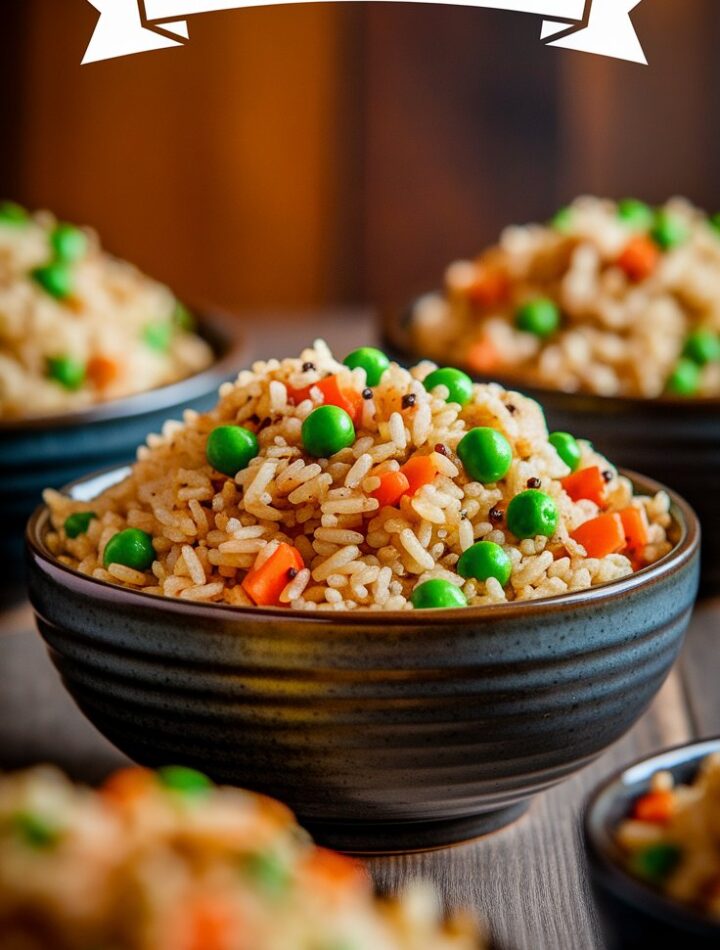
Few dishes strike the perfect balance between simplicity, flavor, and versatility the way fried rice does. Among its many variations, hibachi-style fried rice has earned a special place at the table. If you’ve ever been to a Japanese steakhouse, you know the irresistible aroma of sizzling butter, garlic, and soy sauce hitting the hot griddle. That buttery richness, smoky undertone, and umami-packed flavor are what set hibachi fried rice apart from other styles.
The good news? You don’t need a teppanyaki chef or a restaurant setup to enjoy it. With the right techniques and ingredients, you can recreate authentic hibachi fried rice in your own kitchen. Whether you’re looking for a quick weeknight dinner, a satisfying side dish, or a customizable meal base, this guide will walk you through everything you need to know.
What is Hibachi Fried Rice?
The term hibachi refers to a traditional Japanese heating device—originally a charcoal brazier—used for cooking. In modern Japanese steakhouses outside Japan, hibachi usually means flat-top griddles or teppanyaki-style grills where chefs entertain guests while preparing dishes.
Hibachi fried rice is unique because:
- It uses butter and soy sauce for a rich, savory base.
- High heat gives it a lightly smoky flavor (sometimes called “wok hei”).
- The texture is fluffy but slightly crispy, thanks to day-old rice.
- It’s typically cooked with eggs, peas, carrots, onions, and occasionally garlic or scallions.
Compared to Chinese fried rice, hibachi-style is richer, less oily, and more buttery in flavor.
Why You’ll Love This Recipe
- Quick & Easy – Ready in about 30 minutes, with minimal prep.
- Restaurant-Style Flavor – That buttery, garlicky, umami punch you crave.
- Customizable – Works with chicken, shrimp, steak, tofu, or extra veggies.
- Budget-Friendly – Uses pantry staples and leftover rice.
- Meal Prep Friendly – Stores well for quick lunches or dinners.
Key Ingredients for the Perfect Fried Rice
1. Rice
- Best Choice: Cold, day-old rice (short-grain or jasmine).
- Why? Freshly cooked rice is too moist and clumps together. Overnight chilling helps separate the grains and creates that restaurant-style texture.
2. Vegetables
Classic hibachi fried rice includes:
- Onion (white or yellow, diced)
- Carrots (fresh or frozen, chopped)
- Peas (frozen work best)
Optional Add-ins:
- Bell peppers
- Mushrooms
- Zucchini
- Bean sprouts
3. Butter & Soy Sauce
- Butter = richness and signature hibachi taste.
- Soy Sauce = savory depth (use low-sodium to control saltiness).
4. Eggs
Scrambled eggs add protein, texture, and authenticity.
5. Oils
- Neutral oil like vegetable, canola, or peanut oil for stir-frying.
- Sesame oil (optional) for finishing touches and aroma.
6. Flavor Boosters (Optional but Recommended)
- Garlic or ginger
- Scallions for garnish
- Chili oil or sriracha for spice
Essential Tools You’ll Need
- Wok or Large Skillet – A wok distributes heat evenly and gives that slight char.
- Spatula or Wooden Spoon – For tossing the rice.
- Sharp Knife & Cutting Board – To prep veggies quickly.
- Measuring Spoons & Cups – For consistent seasoning.
- Bowls – To organize ingredients before cooking (mise en place is key).
Preparation Tips Before Cooking
- Use Cold Rice – Refrigerated rice separates easily and won’t get mushy.
- Prep Ingredients First – The cooking process is fast, so chop veggies and beat eggs ahead.
- Use High Heat – Prevents sogginess and mimics restaurant-style frying.
- Don’t Crowd the Pan – Overloading reduces heat, leading to sticky rice.
- Go Easy on Soy Sauce – Start small; you can always add more later.
Step-By-Step Instructions
Step 1: Prepare the Rice
- Cook rice a day ahead, spread it out on a tray, and refrigerate. If using same-day rice, chill it for at least 1 hour.
Step 2: Scramble the Egg
- Heat 1 tablespoon of oil in a wok/skillet.
- Add beaten egg, scramble into small curds, and set aside.
Step 3: Sauté Vegetables
- Add 1 tablespoon oil.
- Stir-fry onions, carrots, and peas until softened (4–5 minutes).
- Remove and set aside.
Step 4: Fry the Rice
- Heat 1–2 tablespoons oil.
- Add cold rice, breaking clumps. Stir constantly for 4–5 minutes until slightly crispy.
Step 5: Add Sauce & Butter
- Drizzle soy sauce and melted butter mixture.
- Stir to coat rice evenly.
Step 6: Combine Everything
- Return veggies and egg.
- Add sesame oil (optional). Toss well.
- Taste and adjust seasoning.
Step 7: Serve
- Garnish with scallions or sesame seeds.
- Serve hot as a main or side.
Pro Tips for Restaurant-Quality Fried Rice
- Use day-old rice for texture.
- Keep heat medium-high to high.
- Stir constantly, but let rice sit briefly to get crispy edges.
- Add butter toward the end for richness.
- Avoid overcrowding; cook in batches if needed.
Serving Suggestions
As a Main Dish
- Add proteins like:
- Chicken (grilled or diced)
- Shrimp (pan-seared with garlic butter)
- Steak (thinly sliced hibachi-style)
- Tofu (crispy or pan-fried)
As a Side Dish
Pairs beautifully with:
- Teriyaki chicken
- Garlic butter shrimp
- Hibachi steak
- Miso-glazed salmon
As a Bowl Base
- Top with sautéed veggies, fried egg, avocado, or pickled ginger.
Best Side Dishes to Pair With Fried Rice
- Hibachi Chicken or Steak
- Egg Drop Soup
- Gyoza (Japanese Dumplings)
- Japanese Cucumber Salad
- Miso Soup
- Tempura Vegetables
- Garlic Butter Shrimp
- Teriyaki Salmon
Storage & Reheating Instructions
Storing:
- Cool completely.
- Store in an airtight container up to 4 days.
- Do not freeze (texture changes).
Reheating:
- Stovetop (Best) – Toss with a little oil/butter on medium-high for 3–5 mins.
- Microwave – Sprinkle water, cover with damp towel, heat in 30-sec intervals.
- Steaming – Place in bowl over simmering water, steam 5–7 mins.
FAQs About Fried Rice
Q1. Can I use freshly cooked rice?
Not recommended. Fresh rice is too moist and clumps. Always chill first.
Q2. What’s the best rice type?
Short-grain (sticky texture) or long-grain jasmine (fluffier). Avoid instant rice.
Q3. How do I prevent soggy rice?
Use high heat, cold rice, and don’t overload the pan.
Q4. Can I make this gluten-free?
Yes, substitute soy sauce with tamari or gluten-free soy sauce.
Q5. Can I make it vegan?
Yes, skip eggs and use plant-based butter.
Q6. How do I get the “restaurant” flavor?
Butter, garlic, soy sauce, and high heat are the key secrets.
Variations You Can Try
- Spicy Fried Rice – Add chili flakes, chili oil, or sriracha.
- Garlic Fried Rice – Sauté garlic in butter before adding rice.
- Chicken Fried Rice – Add diced, pre-cooked chicken breast.
- Shrimp Fried Rice – Pan-sear shrimp with garlic butter, then toss in.
- Vegan Fried Rice – Use tofu and veggies, skip egg, use vegan butter.
- Fusion Fried Rice – Add kimchi, curry powder, or Thai basil.
Nutrition & Health Benefits
- Approx. 300 calories per serving (varies with protein add-ins).
- Carbs from rice, protein from egg/optional meats, fiber from veggies.
- Can be made lighter by reducing butter or using brown rice.
Final Thoughts
This hibachi-style fried rice is a game-changer for home cooks. It’s flavorful, versatile, and surprisingly easy to master. With a few pantry staples and smart techniques, you’ll be able to recreate the same buttery, garlicky magic that Japanese steakhouses are known for.