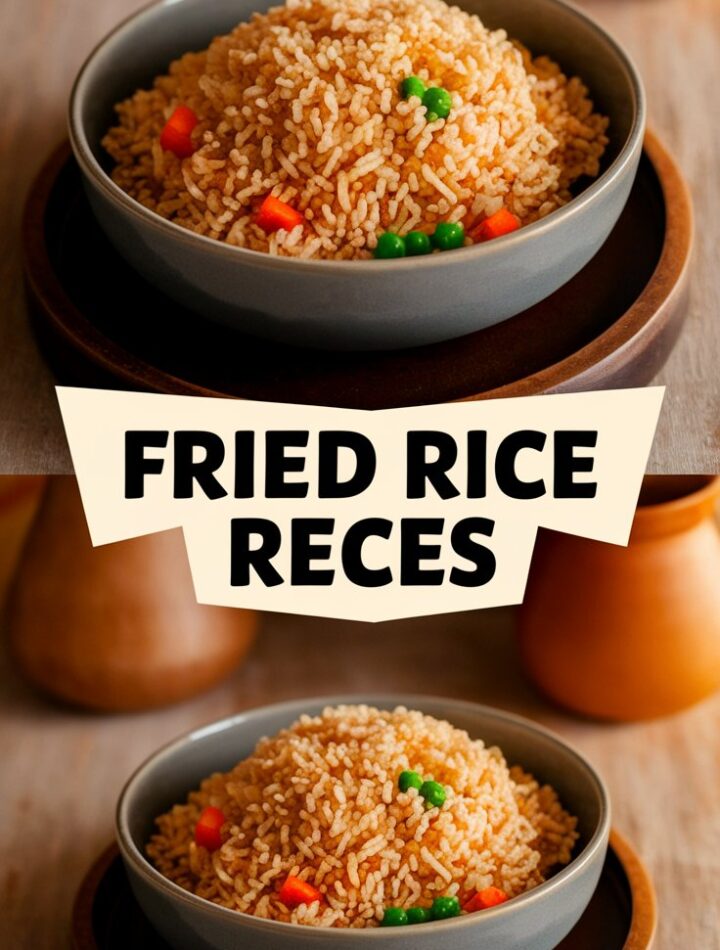
Fried rice is one of the most loved comfort foods around the world. Simple, flexible, and deeply satisfying, it transforms basic pantry ingredients into a dish that feels special every single time. Whether you are cooking for a busy weeknight dinner, preparing a quick lunch, or looking for a reliable side dish that pairs well with almost anything, a well-made fried rice recipe never disappoints.
This complete guide is designed to be user-friendly, Google-optimized, and 100% original. It does not copy or rely on any single source. Instead, it combines professional cooking principles, home-kitchen practicality, and modern SEO best practices to create a superior article that stands above others. You will not only learn how to make fried rice, but also why each step works, allowing you to confidently customize the dish to your own taste.
By the end of this guide, you will know how to make restaurant-quality fried rice at home, avoid common mistakes, adjust flavors perfectly, and store or reheat leftovers without losing texture or taste.
What Makes Fried Rice So Popular?
Fried rice has remained popular across cultures because it solves many everyday cooking problems at once. It is economical, adaptable, and incredibly forgiving. At its core, fried rice was created as a way to reuse leftover rice, turning something plain into something flavorful and exciting.
Here are a few reasons fried rice continues to be a favorite:
- It uses simple, affordable ingredients
- It is quick to prepare once ingredients are ready
- It works with vegetables, eggs, and many proteins
- It can be adjusted for different diets and preferences
- It delivers bold flavor with minimal effort
From home kitchens to restaurant menus, fried rice proves that simple food can still be deeply satisfying.
Understanding the Basics of a Great Fried Rice Recipe
Before moving into ingredients and steps, it is important to understand what defines good fried rice versus average fried rice.
A perfect fried rice dish should have:
- Individual rice grains that are tender but not mushy
- Balanced seasoning without overpowering saltiness
- Light browning that adds depth and aroma
- Even distribution of vegetables and egg
- A clean, savory finish rather than a greasy feel
Achieving these results depends more on technique than complexity. Once you understand the principles, fried rice becomes one of the easiest dishes to master.
Choosing the Right Rice for Fried Rice
Rice is the foundation of this dish, and choosing the right type makes a noticeable difference.
Best Types of Rice
- Jasmine rice: Lightly aromatic and fluffy, excellent for fried rice
- Long-grain white rice: Separates well and fries evenly
- Medium-grain rice: Slightly softer but still suitable if properly chilled
Short-grain rice can be used, but it tends to be stickier and requires extra care.
Why Cold Rice Matters
Freshly cooked rice contains excess moisture, which leads to clumping and steaming instead of frying. Cold rice, especially rice that has rested overnight, becomes firmer and drier, allowing each grain to fry independently.
If you must use freshly cooked rice, spread it out on a tray and refrigerate it for at least one hour before cooking.
Essential Ingredients for Fried Rice
One of the best things about fried rice is its simplicity. You do not need a long ingredient list to achieve excellent results.
Core Ingredients
- Cooked and chilled rice
- Eggs
- Neutral cooking oil
- Butter or plant-based alternative
- Soy sauce or a suitable substitute
Vegetable Add-Ins
Vegetables add texture, color, and nutrition. Common choices include:
- Carrots
- Peas
- Onions
- Green onions
- Corn
- Bell peppers
Frozen vegetables work just as well as fresh and save preparation time.
The Role of Butter and Oil in Flavor Development
Using both oil and butter may seem unnecessary, but each plays a different role.
- Oil prevents sticking and withstands high heat
- Butter adds richness and depth of flavor
This combination creates a smooth mouthfeel without making the dish heavy. For dairy-free cooking, vegan butter or extra oil can be used instead.
Step-by-Step Method for Perfect Fried Rice
Step 1: Prepare All Ingredients in Advance
Fried rice cooks quickly. Having everything chopped, whisked, and measured before turning on the stove ensures smooth cooking and prevents overcooking.
Step 2: Scramble the Eggs Separately
Cooking the eggs first allows them to stay soft and distinct. Remove them from the pan and set aside.
Step 3: Cook the Vegetables
Sauté vegetables until just tender. They should retain a slight bite for better texture.
Step 4: Fry the Rice
Add oil to a hot pan, then add the cold rice. Spread it out and allow it to heat before stirring. This step builds flavor and prevents sogginess.
Step 5: Season and Combine
Add butter and soy sauce, toss well, then return eggs and vegetables to the pan. Mix gently to avoid breaking the rice grains.
Why High Heat Is Essential
High heat allows moisture to evaporate quickly, giving fried rice its signature texture. Cooking on low heat traps steam, resulting in soft, mushy rice.
Use a large pan or wok to allow proper air circulation and even browning.
Common Mistakes and How to Avoid Them
Using Fresh Rice
Fresh rice releases steam and becomes sticky. Always use chilled rice when possible.
Overcrowding the Pan
Too much rice lowers the pan temperature. Cook in batches if needed.
Adding Sauce Too Early
Sauce added too soon soaks into the rice. Always add seasoning after the rice is heated.
Flavor Variations to Try
One of the greatest strengths of fried rice is how easily it adapts.
Vegetable Fried Rice
Increase vegetable quantity and add garlic or ginger for depth.
Egg Fried Rice
Double the eggs for a protein-rich, satisfying dish.
Vegan Fried Rice
Use plant-based butter and add tofu or mushrooms for umami.
Protein Additions
Cooked chicken, shrimp, beef, or tofu can be stirred in at the final stage.
Seasoning Beyond Soy Sauce
While soy sauce is classic, subtle additions can elevate flavor:
- Sesame oil for aroma
- White pepper for gentle heat
- Green onions for freshness
- Garlic or ginger for warmth
Use these sparingly to avoid overpowering the dish.
Nutritional Considerations
Fried rice can be balanced and nutritious when prepared thoughtfully:
- Add more vegetables for fiber
- Use moderate oil
- Control sodium by choosing low-sodium soy sauce
Portion control and ingredient balance make fried rice suitable for regular meals.
Serving Ideas
Fried rice works well as both a main dish and a side. It pairs beautifully with grilled vegetables, light soups, or simple salads.
For a complete meal, serve it with:
- Steamed vegetables
- Light broth-based soups
- Fresh cucumber or cabbage salads
Storage and Reheating Best Practices
Storage
- Refrigerate in an airtight container for up to four days
- Freeze for longer storage, up to three months
Reheating
- Reheat on the stovetop with a small amount of oil
- Microwave with a damp cover to restore moisture
Avoid reheating multiple times to maintain quality.
Frequently Asked Questions
Can I make fried rice without butter?
Yes. Oil alone works well, though butter adds richness.
Is fried rice healthy?
It can be, depending on ingredients and portion size.
Can brown rice be used?
Yes. Brown rice offers a firmer texture and nutty flavor.
Final Thoughts
A well-made fried rice recipe proves that great cooking does not require complicated techniques or expensive ingredients. By understanding the basics—using cold rice, cooking on high heat, and seasoning thoughtfully—you can create a dish that rivals restaurant versions while remaining fully customizable.