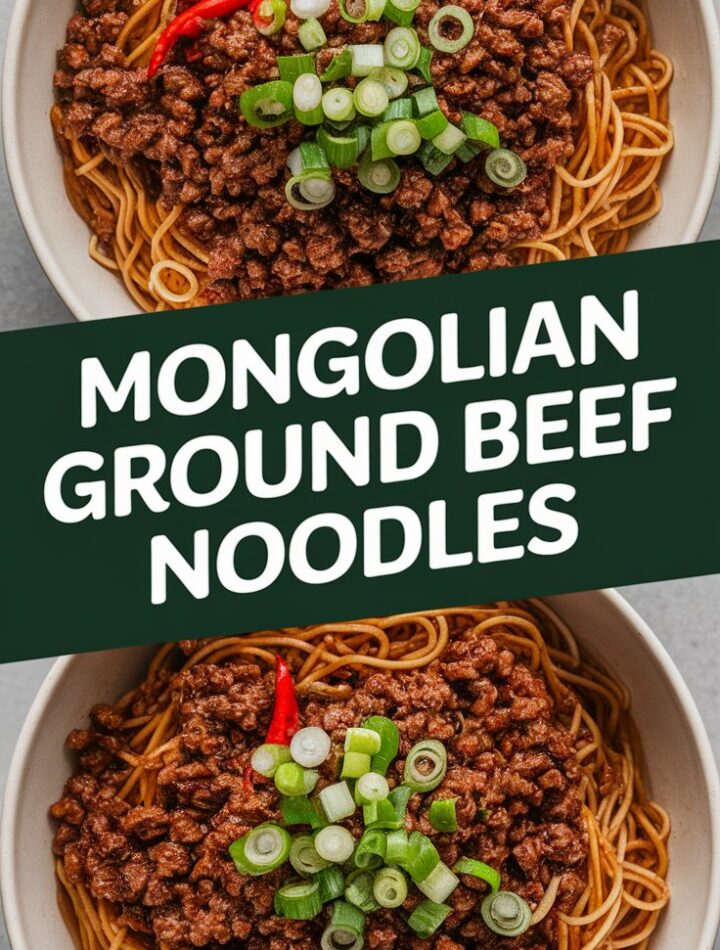
Imagine coming home after a long day and craving something comforting, quick, and full of flavor. You don’t want to spend hours in the kitchen, nor do you want to order expensive takeout that often leaves you feeling unsatisfied. Enter Ground Beef Mongolian Noodles — a dish that’s sweet, savory, a little spicy if you like, and completely irresistible. This recipe transforms a handful of pantry staples and fresh ingredients into a restaurant-worthy dinner in just 20 minutes.
What makes this dish truly special is its balance of flavors. You get the richness of ground beef, the chewiness of noodles, the warmth of fresh garlic and ginger, and the depth of a glossy umami sauce. It’s a family-friendly recipe that appeals to both kids and adults, and it’s versatile enough to adapt for different dietary preferences.
Unlike many noodle recipes that can feel heavy, Ground Beef Mongolian Noodles strike the perfect balance. The sauce clings beautifully to the noodles without being overly greasy, and every bite delivers a satisfying mix of textures and flavors. Whether you’re meal-prepping for the week, feeding a family of four, or cooking for yourself, this dish never disappoints.
This recipe is not only budget-friendly but also endlessly customizable. You can swap in different proteins, add vegetables for extra nutrition, or adjust the sweetness and spice level to your taste. Best of all, it’s dairy-free and can be easily made gluten-free.
If you’ve ever wished for a dinner that feels indulgent but doesn’t require hours in the kitchen, this dish is your answer. Let’s dive into everything you need to know to make the best Ground Beef Mongolian Noodles right at home.
What Are Ground Beef Mongolian Noodles?
Ground Beef Mongolian Noodles are a modern, home-cooked twist on the classic Mongolian beef dish that you’ll often find at Asian-inspired restaurants. Traditional Mongolian beef is made with thinly sliced flank steak stir-fried with a savory-sweet sauce and served with rice or noodles. This version simplifies the concept by using ground beef instead of steak, making it faster, more affordable, and accessible for everyday cooking.
Despite the name, Mongolian beef (and this noodle version) isn’t an authentic dish from Mongolia. It actually originated in Chinese-American restaurants, where chefs developed a savory-sweet sauce using soy sauce, brown sugar, garlic, and ginger — flavors that have become widely popular in Western cooking. The combination of tender beef and a glossy sauce caught on quickly, and now it’s a staple of many Asian-inspired takeout menus.
By pairing that signature Mongolian sauce with noodles instead of rice, you get a complete meal in one pan. The noodles soak up the sauce, creating a rich, satisfying bite every time. The use of ground beef makes it more approachable for home cooks because:
- You don’t need to slice meat thinly or marinate it.
- Ground beef cooks quickly and evenly.
- It’s more budget-friendly compared to steak.
- It allows for easier blending with noodles and vegetables.
As for the noodles, you can use almost anything you have on hand — linguine, spaghetti, rice noodles, or even udon. Each type brings its own unique texture to the dish.
In short, Ground Beef Mongolian Noodles combine the comforting familiarity of pasta with the bold, crave-worthy flavors of an Asian-style stir-fry. It’s a dish that delivers takeout vibes with a homemade touch.
Why You’ll Love This Recipe
There are countless reasons why this dish deserves a spot in your regular dinner rotation, but here are the highlights:
- Quick & Easy – From start to finish, you’ll have dinner on the table in about 20 minutes. Perfect for busy weeknights.
- Budget-Friendly – Ground beef is often more affordable than steak, chicken breasts, or seafood, making this recipe cost-effective.
- Family-Friendly – The sweet and savory sauce appeals to all ages. Adjust the spice level to suit your family’s preferences.
- Better Than Takeout – Skip the delivery fees and long wait times. This homemade version is fresher, healthier, and just as delicious.
- Customizable – Add vegetables, swap proteins, or change the noodle type. The recipe is flexible enough to accommodate what you already have in your pantry.
- Meal Prep Friendly – Leftovers reheat beautifully, making this an excellent choice for lunches throughout the week.
- Dairy-Free & Adaptable – This recipe is naturally dairy-free and can easily be adapted for gluten-free or low-carb diets.
- Crowd-Pleasing Flavors – The balance of sweet, savory, garlicky, and slightly spicy notes makes this dish universally loved.
Ingredients Breakdown
Let’s look at each ingredient in detail, so you understand not just what to use, but why it matters.
- Ground Beef (1 pound)
Lean ground beef (around 85–90% lean) works best here. It has enough fat to stay juicy but not so much that the dish becomes greasy. If you prefer, you can substitute ground turkey, chicken, or even plant-based ground meat. - Fresh Ginger (4 teaspoons, minced)
Ginger adds warmth and depth. Fresh is best, but ground ginger powder can be used in a pinch (about 1 teaspoon). - Garlic (6 cloves, minced)
Garlic is essential for the savory backbone of the dish. Fresh garlic is highly recommended, though garlic paste can work too. - Brown Sugar (½ cup, adjustable)
This provides the characteristic sweetness of Mongolian-style sauces. If you prefer less sweetness, reduce to ⅓ or ¼ cup. Honey, maple syrup, or coconut sugar can also work as alternatives. - Soy Sauce (½ cup, low-sodium)
The salty, umami base of the sauce. Use low-sodium soy sauce to prevent overpowering saltiness. For gluten-free diets, tamari or coconut aminos are excellent substitutes. - Beef Broth (½ cup)
Adds richness and depth to the sauce. Chicken broth or vegetable broth can also be used. - Hoisin Sauce (4 tablespoons)
This sweet-salty sauce thickens and enriches the dish. If unavailable, you can use oyster sauce or a mix of soy sauce and honey. - Black Pepper (½ teaspoon)
A subtle background spice that enhances the sauce. - Red Pepper Flakes (½ teaspoon, optional)
For those who enjoy a little heat. Adjust according to your spice tolerance. - Noodles (10 ounces)
Linguine, spaghetti, or fettuccine are common choices. Rice noodles or udon also work beautifully, especially for gluten-free variations. - Cornstarch (1 tablespoon) + Water (2 tablespoons)
Combined into a slurry, this helps thicken the sauce so it coats the noodles properly. - Green Onions (4 medium, sliced)
A garnish that adds freshness, color, and a mild onion flavor.
Step-by-Step Cooking Instructions
- Prepare Ingredients
Mince garlic and ginger, slice green onions, and measure out sauces and seasonings. Having everything ready will make cooking smoother. - Cook the Ground Beef
In a large skillet or wok over medium heat, brown the ground beef. Break it up with a wooden spoon into crumbles. In the last two minutes, add garlic and ginger so they release their aroma without burning. - Cook the Noodles
While the beef is browning, cook your noodles according to package instructions. Do not salt the water, as the sauce is already salty. Drain and set aside. - Make the Sauce
Drain excess grease from the beef, then return it to the skillet. Stir in soy sauce, beef broth, brown sugar, hoisin sauce, black pepper, and optional red pepper flakes. Mix well. - Thicken the Sauce
In a small bowl, whisk cornstarch with water to form a slurry. Pour this into the skillet, stirring constantly. Bring to a gentle boil until the sauce thickens slightly. - Combine Noodles & Beef Mixture
Add the drained noodles into the skillet. Toss until fully coated with the sauce. Allow them to sit for a couple of minutes to soak in the flavors. - Garnish & Serve
Sprinkle with sliced green onions. Serve hot and enjoy the delicious combination of sweet, savory, and umami flavors.
Serving Suggestions & Pairings
- With Vegetables – Toss in broccoli, snap peas, bell peppers, or carrots for color and nutrition.
- With Appetizers – Serve alongside spring rolls, egg rolls, or steamed dumplings.
- With Soups – Miso soup, egg drop soup, or hot and sour soup complement the flavors.
- With Rice – For extra substance, add steamed jasmine rice or fried rice.
- With Toppings – A fried egg, sesame seeds, or chili oil makes the dish even more satisfying.
Recipe Variations & Customization
- Protein Swaps – Try ground turkey, chicken, pork, shrimp, or even tofu.
- Low-Carb Version – Use zucchini noodles (zoodles) or shirataki noodles.
- Gluten-Free – Swap soy sauce with tamari and use rice noodles.
- Spicy Kick – Add sriracha, chili paste, or extra pepper flakes.
- Kid-Friendly – Reduce sugar and spice, and sneak in finely chopped veggies.
Storage, Freezing & Reheating
- Refrigeration – Store in an airtight container for up to 3 days.
- Freezing – Not ideal, as noodles may become mushy. However, you can freeze just the beef sauce and cook fresh noodles later.
- Reheating – On the stovetop with a splash of water or broth, or in the microwave in short intervals, stirring in between.
Common Mistakes to Avoid
- Overcooking beef → tough texture
- Salting pasta water → overly salty dish
- Skipping cornstarch slurry → watery sauce
- Using too much sugar → cloying flavor
- Overcooking noodles → mushy results
- Forgetting to taste and adjust seasoning
FAQs
1. Can I use ground turkey instead of beef?
Yes, ground turkey is leaner and works well, though it has a milder flavor.
2. What type of noodles are best?
Linguine, spaghetti, or fettuccine work well. For gluten-free, try rice noodles.
3. Can I make this ahead of time?
Yes, but store the sauce and noodles separately to avoid sogginess.
4. Can I make this vegetarian?
Yes, use tofu or a plant-based meat alternative.
5. How can I make it spicier?
Increase red pepper flakes, add sriracha, or use chili paste.
6. Can I double the recipe?
Absolutely! Just use a large skillet or wok so everything mixes evenly.
Conclusion
Ground Beef Mongolian Noodles are proof that quick dinners don’t have to be boring. With just a handful of ingredients and 20 minutes, you can enjoy a dish that’s bursting with sweet, savory, and umami flavors. It’s versatile, affordable, and endlessly customizable, making it a recipe worth adding to your regular meal rotation.
Whether you serve it as a cozy weeknight dinner, a meal-prep staple, or a crowd-pleasing dish for friends, these noodles never disappoint. Try them once, and you’ll see why they’re better than takeout — fresher, faster, and full of flavor.