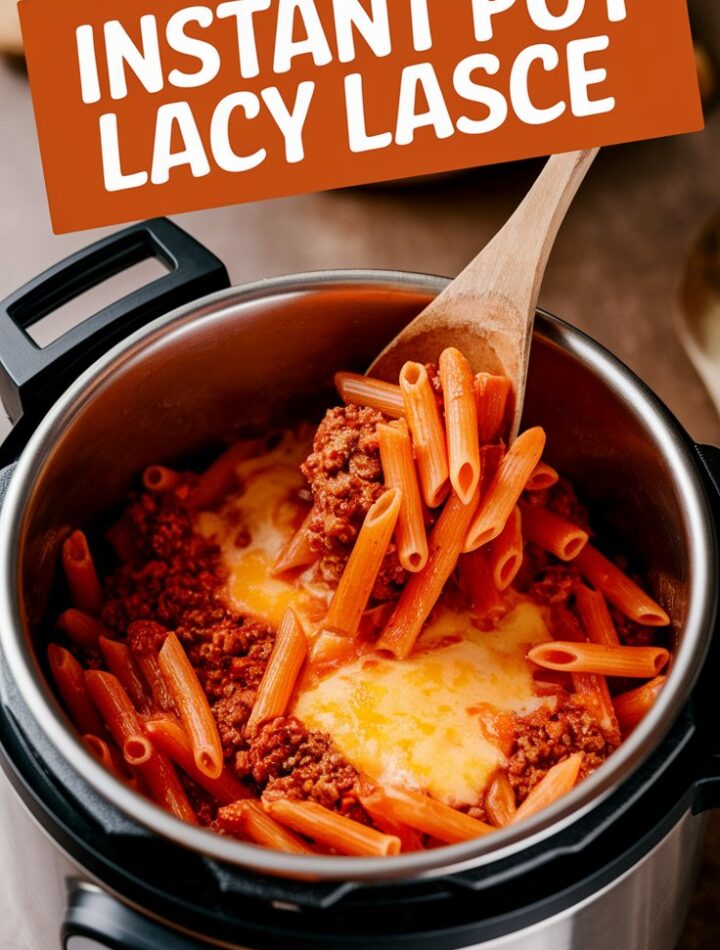
Lasagna is comfort food at its finest: layers of tender pasta, savory meat or vegetables, rich tomato sauce, and soft, melty cheese. But classic lasagna also demands time—boiling noodles, layering, baking, waiting. If your weeknights are busy and you still crave that familiar lasagna hug, meet Instant Pot Lazy Lasagna: all the beloved flavors of lasagna cooked in one pot, in far less time, and with far less fuss.
This long-form guide gives you everything you need: a clear, tested recipe, the cooking science behind every step, smart substitutions, troubleshooting, serving ideas, make-ahead and freezing tips, nutrition notes, and frequently asked questions. The content is written to be reader-friendly, AdSense-safe, search-optimized (without keyword stuffing), and fully original.
Why the Instant Pot is perfect for a “lazy” lasagna
- One pot, fewer dishes. Everything — browned meat (or veggies), sauce, pasta, and cheeses — cooks in the same Instant Pot insert, so cleanup is minimal.
- Faster than oven lasagna. You skip boiling noodles and the long bake time; pressure cooking shortens active cooking time dramatically.
- Consistent results. Once you learn a few pressure-cooking rules (liquid amount, layer technique, natural release timing), you’ll get reliable texture and flavor.
- Flexible & forgiving. Want vegetarian, gluten-free, or dairy-free? The basic method adapts easily.
What this recipe delivers (and what it doesn’t)
This is not a classic, oven-baked lasagna with crisp edges and a baked cheese crust. Instead, it gives you the core lasagna experience — savory sauce, tender pasta with a lasagna-like bite, and creamy cheese — in a single pot. Expect moist, saucy, and cheesy results rather than baked, gratinéed top layers. If you want a browned cheese top, you can always transfer portions to the oven or broiler for a few minutes before serving.
Essential equipment
- Instant Pot (6-quart or 8-quart): 6-quart works for most families; use 8-quart if you want extra headsroom or plan to double the recipe.
- Wooden spoon or silicone spatula: For sautéing and deglazing.
- Measuring cups and spoons
- Box grater (if you grate fresh Parmesan or mozzarella)
- Ladle (for serving)
- Ovenproof dish (optional): If you want to broil for a cheesy crust.
Ingredient overview — choices and why they matter
Below are the ingredients used in the base recipe, with notes on alternatives and what each element contributes.
Base ingredients (classic one-pot version)
- Olive oil (1 tbsp) — for sautéing and flavor.
- Ground protein (1 lb / 450 g) — beef, turkey, Italian sausage, or plant-based ground meat. Lean ground beef (85–90% lean) gives rich flavor without too much grease.
- Yellow onion (1, finely diced) — aromatic base.
- Garlic (3 cloves, minced) — classic flavor booster.
- Salt & black pepper — season to taste; start lightly and adjust later.
- Tomato sauce (one 24–26 oz jar) — choose a decent-quality marinara or traditional pasta sauce. Avoid overly sweet or heavily spiced sauces unless you plan to balance them.
- Water or low-sodium broth (about 3 cups / 720 ml) — provides the steam for pressure cooking; broth adds flavor but can increase sodium.
- Dried Italian seasoning / basil / oregano (1–2 tsp total) — simple herb blend.
- Uncooked short pasta (16 oz / 450 g) — penne, rigatoni, ziti, or rigatoni-style pasta that holds up under pressure. Short tubes are best; avoid long pasta like spaghetti.
- Ricotta (1 cup) — for creaminess and that signature lasagna mouthfeel.
- Grated Parmesan (1 cup) — salty umami and depth.
- Optional shredded mozzarella (1–2 cups) — for extra stretch and melty texture.
Why these choices?
- Short tube pasta cooks evenly under pressure and avoids tangles.
- Ricotta + Parmesan recreate the classic ricotta/parmesan layer in a blended form.
- Water vs. broth: Water keeps salt in your control; broth increases flavor but may make saltiness harder to adjust.
The full recipe (compact, copy-friendly card)
Servings: 6–8 | Total time: ~30–40 minutes (includes pressure build time and brief natural release)
Ingredients
- 1 tbsp olive oil
- 1 lb (450 g) lean ground beef (or turkey, Italian sausage, or plant-based alternative)
- 1 medium yellow onion, finely diced
- 3 cloves garlic, minced
- 1 tsp salt, divided (plus more to taste)
- ½ tsp black pepper
- 1 (24–26 oz) jar tomato sauce (marinara)
- 3 cups water (or low-sodium broth; see notes)
- 1 tsp dried basil
- 1 tsp dried Italian seasoning
- ½ tsp dried parsley (optional)
- 16 oz (450 g) penne (or rigatoni/ziti) — uncooked
- 1 cup ricotta cheese
- 1 cup freshly grated Parmesan (or ¾ cup if very salty)
- 1–2 cups shredded mozzarella (optional)
- Fresh basil or chopped parsley for garnish
Instructions
- Sauté: Set Instant Pot to Sauté. Add olive oil, then onion and a pinch of salt. Cook 2–3 minutes until translucent. Add garlic and cook 30 seconds. Add ground beef, break up, and brown until no longer pink. Drain excess grease if needed.
- Deglaze: Pour in ½ cup of the water or broth and scrape up any browned bits from the bottom with a wooden spoon — this prevents a burn warning.
- Add sauce and seasonings: Stir in the jar of tomato sauce, remaining water (about 2½ cups), basil, Italian seasoning, and ½ tsp salt. Taste a small spoonful — adjust salt if needed (remember you’ll add cheese later).
- Add pasta (do not stir): Spread uncooked pasta evenly over the surface. Press it down gently so that most of it is submerged, but do not stir the pasta into the sauce. The reason: a top layer helps prevent sticking.
- Pressure cook: Secure lid, valve to Sealing. Pressure Cook (Manual/High) for 5 minutes. (Depending on your pasta type and altitude, 4–6 minutes works.) The pot will take ~8–12 minutes to come to pressure.
- Natural release: Let pressure release naturally for 5–8 minutes (5 minutes for al dente, 8–10 minutes for softer). After that, carefully turn valve to Venting to release remaining pressure, open lid.
- Finish & cheese: Stir the pasta and sauce together. Stir in ricotta and Parmesan until creamy; fold in mozzarella if using and allow it to melt. Adjust salt and pepper to taste.
- Rest & serve: Let the pot sit for 3–5 minutes to thicken slightly. Serve garnished with fresh basil and extra Parmesan.
Notes: If your sauce is very thin after cooking, simmer using the Sauté function for a minute or two while stirring to thicken, but do this carefully to avoid burning.
The science behind the steps — why they work
Sautéing and deglazing
Browning meat and sautéing aromatics (onion, garlic) develop complex, savory flavors through Maillard reactions. When you deglaze with liquid, you dissolve the browned flavor compounds stuck to the pot, incorporating them back into the sauce. Deglazing is also critical to avoid the Instant Pot’s “Burn” notice — any stuck bits can trigger that sensor.
Why you should not stir uncooked pasta into the sauce
When short pasta is stirred into sauce before pressure cooking, starch is released and can settle on the bottom, increasing the chance of burning and sticking. Layering the pasta on top and pressing it slightly so it is mostly submerged allows even cooking while minimizing bottom contact.
Liquid amounts and absorption
Pressure cooking traps steam—liquid doesn’t evaporate like it does in the oven. The pasta absorbs a portion of the liquid, but because evaporation is minimal, you must use a measured amount. The recipe’s 3 cups of water plus one jar of sauce aims to offer enough liquid for pressure without making the finished dish watery. If you use broth, reduce added salt to avoid oversalting.
Natural release benefits
Allowing some natural pressure release gives the pasta a short continuing cook cycle, letting starches relax and absorb more sauce gently so the texture is tender without being mushy.
Pro tips for flawless results
- Choose the right pasta: Use short tubular shapes (penne, rigatoni, ziti, rotini). Thinner pastas can overcook or clump. If you use gluten-free pasta, reduce cook time by 1–2 minutes and use a shorter natural release (or quick release) to avoid mushiness.
- Salt carefully: Since cheese and some sauces are salty, taste before adding final salt. If the tomato sauce is heavily seasoned, skip the extra salt in the liquid.
- Mind the fat content: If you use high-fat sausage, drain excess grease after sautéing to prevent a greasy final dish and reduce burn risk.
- Use fresh-grated cheese: Freshly grated Parmesan melts smoother than pre-shredded varieties that contain anti-caking agents.
- Layer option for oven finish: If you crave a browned top, transfer portions to an oven-safe dish, top with extra mozzarella, and broil for 2–4 minutes until golden.
- Add delicate veggies after pressure cooking: Spinach wilts quickly — stir in fresh baby spinach after cooking rather than pressure cooking it to preserve color and texture.
- If a burn notice appears: Turn off the pot, release pressure fully (if safe), open, remove hot liquid, scrape the bottom gently, add more liquid if necessary, and restart. Burn notices often come from stuck starch or fat.
- For creamier ricotta integration: Warm the ricotta slightly before stirring in, or whisk it with a small ladle of sauce to make it blend smoother.
Flavor variations — make it yours
1. Vegetarian & protein-packed
- Replace meat with 1 lb (450 g) chopped mushrooms + 1 cup cooked lentils or 2 cups cooked brown lentils. Sauté mushrooms until they release moisture and reduce, then proceed. Lentils add texture and protein.
2. Italian sausage swap
- Use sweet or spicy Italian sausage (casings removed) for a bolder, more herb-forward profile.
3. Cheesy deluxe
- Stir in 1 cup shredded mozzarella and ½ cup fontina or provolone for extra melt and stretch.
4. Spicy kick
- Add ½–1 tsp red pepper flakes during sauté or use a jar of arrabbiata sauce.
5. Lighter / lower-fat
- Use ground turkey or a lean plant-based protein, low-fat ricotta, and skip mozzarella. Add extra herbs and lemon zest for brightness.
6. Gluten-free
- Use a high-quality gluten-free penne and reduce pressure time by 1–2 minutes. Natural release shorter to avoid overcooking.
7. Dairy-free / vegan
- Use plant-based ricotta (cashew-based or store-bought), dairy-free shredded cheese, and vegetable broth. Check product labels for melting characteristics.
Serving suggestions & pairings
Lasagna is a hearty main. Complement it with lighter sides to balance the meal:
- Garlic bread or herbed focaccia — great for sopping up sauce.
- Fresh green salad with a simple lemon-olive oil vinaigrette to cut richness.
- Roasted vegetables — zucchini, bell peppers, or eggplant pair well.
- Antipasto platter with olives, marinated artichokes, and cured meats if you want an Italian-style starter.
- Simple soup — minestrone or a light tomato basil soup as a first course.
- Drinks: For adults, a medium-bodied red wine (Sangiovese, Chianti, Merlot). For family-friendly options: sparkling water with lemon or a chilled iced tea.
Common mistakes & how to fix them
Problem: Burn notice / scorch on bottom
- Cause: Stuck browned bits or too little deglazing.
- Fix: Turn off, carefully release pressure, open, remove excess sauce if necessary, scrape bottom and add ¼ cup water, then restart. Next time, be thorough when deglazing.
Problem: Pasta too soft / mushy
- Cause: Overcooking or too long natural release.
- Fix: Reduce pressure cooking time by 1 minute and shorten natural release (3–5 minutes). For gluten-free pasta, reduce even more.
Problem: Too watery after cooking
- Cause: Excess liquid or sauce with higher water content.
- Fix: Switch to the Sauté function and simmer, stirring, until sauce thickens slightly. Remove the lid and simmer a few minutes. Alternatively, let pot rest 10 minutes to absorb more liquid.
Problem: Cheese doesn’t blend smoothly
- Cause: Cold cheese or adding too much at once.
- Fix: Temper ricotta by mixing it with a small ladle of hot sauce, then stir into pot. Use freshly grated cheese for best melting.
Make-ahead, storage & freezing
Refrigeration
- Fridge life: Store cooled leftovers in an airtight container for up to 4 days. Reheat gently to avoid drying or overcooking.
Freezing
- Freeze for up to 3 months. Portion into freezer-safe containers or freezer bags (press out air). Thaw overnight in the refrigerator before reheating.
Reheating
- Microwave: Reheat in short intervals, stirring in between. Add a splash of water or sauce to refresh.
- Stovetop: Reheat gently in a saucepan over medium-low heat with a small splash of water or sauce, covered, stirring occasionally.
- Oven: Place in an oven-safe dish, cover with foil, bake at 350°F (175°C) for 15–20 minutes until heated through; remove foil and broil briefly if you want a browned top.
Tip: To avoid mushy reheated pasta, reheat just until warm—overheating will further soften texture.
Nutrition & health notes
Exact nutrition varies widely with ingredient choices (type of meat, cheese amounts, sauce brand). A rough guideline:
- With lean ground beef and standard cheese, one serving (1 of 6–8) will generally contain ~300–500 calories, a moderate amount of protein (15–30 g), and carbohydrates from the pasta (30–45 g). Sodium can be high if using salted cheeses and store-bought sauce; choosing low-sodium sauce and using less added salt can substantially reduce sodium.
Healthier swaps:
- Use whole-grain or legume-based pasta for extra fiber and protein.
- Substitute part of the pasta with diced zucchini (zoodles) during sautéing to lower carbs and add veggies.
- Use low-fat ricotta or cottage cheese, and reduce mozzarella.
Frequently asked questions (FAQs)
Can I double this recipe?
Yes — if you have an 8-quart Instant Pot, doubling is possible. Don’t overfill the pot: leave space below the max fill line. Keep the same pressure-cook time; pressure cooking time depends on pasta thickness rather than volume.
Can I make this ahead for guests?
Yes. Cook it, let it cool, refrigerate, then reheat in the oven or stovetop. To reheat and get a brown cheesy top, transfer to an oven-safe dish and broil briefly.
Can I use cottage cheese instead of ricotta?
Yes. Cottage cheese works and has a similar texture; if you prefer a smoother texture, blend cottage cheese briefly in a food processor before stirring in.
What if I don’t have an Instant Pot?
You can make a stovetop “lazy lasagna”: brown meat and aromatics, add sauce and water, add pasta, cover and simmer until pasta is tender (stir occasionally). Cooking time varies by pasta type; you’ll need to watch closely to avoid sticking.
Can I add frozen vegetables?
Avoid pressure cooking large frozen vegetables inside this recipe — they may release excess water. Thaw and drain frozen veg first, or add fresh/sauteed veggies.
Troubleshooting checklist (quick)
- Burn notice: Deglaze well; remove browned bits; ensure enough liquid.
- Clumpy pasta: Don’t stir pasta before pressure cooking; layer on top.
- Pasta too soft: Shorten cook time and/or shorten natural release.
- Too salty: Use low-sodium sauce/broth, reduce added salt, balance with a pinch of sugar or splash of cream if needed.
- Sauce too thin: Sauté briefly after pressure release; thicken with a small slurry of cornstarch + water if needed.
Variations and creative twists (recipes in one)
Here are a few concise, ready-to-try variations:
Smoky Sausage & Peppers Lazy Lasagna
- Use 1 lb spicy Italian sausage (casings removed), add 1 cup sliced bell peppers when sautéing, use arrabbiata sauce, finish with smoked mozzarella.
Spinach & Mushroom Vegetarian Lazy Lasagna
- Sauté 12 oz chopped mushrooms until golden, add 4 cups baby spinach until wilted, fold in 1 cup cooked green lentils, proceed with sauce & pasta. Use extra Parmesan.
Four-Cheese Lazy Lasagna
- Stir in ½ cup ricotta, ½ cup mascarpone, 1 cup shredded mozzarella, and ½ cup grated Pecorino Romano for a rich, decadent finish.
Mediterranean Twist
- Use a tomato-olive tapenade sauce base, add ½ cup chopped kalamata olives and a pinch of oregano, finish with feta crumbles at serving.