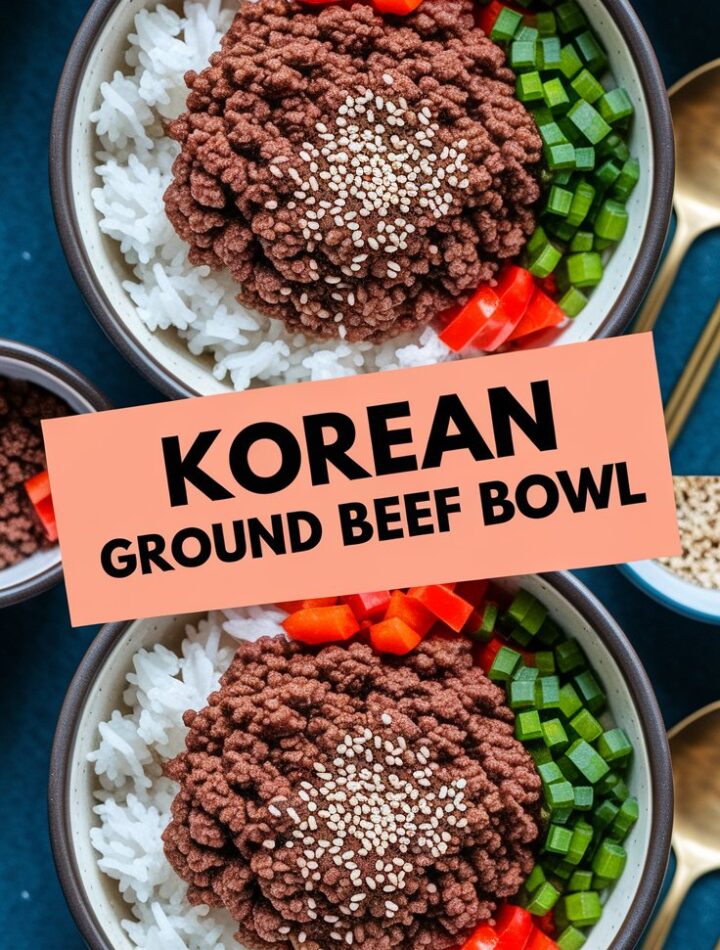
In today’s fast-paced world, home cooks are constantly searching for meals that are quick, affordable, and full of flavor. The Korean Ground Beef Bowl perfectly fits that need. Inspired by classic Korean flavors but adapted for modern kitchens, this dish delivers a satisfying balance of savory, slightly sweet, and gently spicy notes—all in under 30 minutes.
Unlike traditional Korean dishes that may require long marination times or specialty cuts of meat, this recipe uses simple pantry ingredients and ground beef, making it accessible for beginners and experienced cooks alike. It is also incredibly flexible, allowing you to customize spice levels, swap proteins, and add vegetables without compromising flavor.
This complete guide is designed to be user-friendly, Google-optimized, and AdSense-safe, while offering original, high-quality content that stands out from typical recipe posts. Whether you are cooking for your family, meal prepping for the week, or recreating takeout flavors at home, this Korean Ground Beef Bowl will quickly become a staple in your kitchen.
What Is a Korean Ground Beef Bowl?
A Korean Ground Beef Bowl is a simplified, Western-friendly interpretation of Korean-style beef dishes. While it is not a traditional recipe found in Korean cuisine, it borrows flavor elements commonly used in Korean cooking, such as soy sauce, garlic, ginger, and mild heat.
Instead of sliced beef or marinated cuts, this dish uses ground beef, which cooks quickly and absorbs sauce efficiently. The beef is served over fluffy rice and often finished with fresh garnishes like scallions or sesame seeds. The result is a comforting bowl-style meal that feels hearty yet balanced.
This recipe is especially popular among busy households because it:
- Requires minimal preparation
- Uses affordable ingredients
- Delivers bold flavor without complicated steps
Why This Korean Ground Beef Bowl Works So Well
This recipe succeeds because of its balance and efficiency. Each ingredient plays a specific role, creating a dish that tastes complex while remaining easy to prepare.
Flavor Balance
- Savory: Soy sauce and beef provide deep umami
- Sweet: Brown sugar softens the saltiness
- Aromatic: Garlic and ginger add warmth and depth
- Spicy (Optional): Mild heat enhances flavor without overpowering
Texture Contrast
- Juicy ground beef
- Tender-crisp vegetables
- Light, fluffy rice
Practical Cooking Method
Cooking the sauce off the heat prevents burning the aromatics and allows the flavors to blend smoothly. This small detail significantly improves the final taste and texture.
Essential Kitchen Tools
Having the right tools ensures smooth preparation and consistent results:
- Large skillet: Allows even browning without overcrowding
- Wooden spoon or spatula: Ideal for breaking up ground beef
- Sharp knife and cutting board: For efficient prep
- Measuring spoons and cups: For balanced seasoning
- Rice cooker or saucepan: To achieve perfectly cooked rice
Ingredients Breakdown
Core Ingredients
- Ground beef: Lean ground beef works best for flavor without excessive grease
- Rice: Jasmine rice is recommended for its light aroma and fluffy texture
- Soy sauce: Provides salt and umami (low-sodium preferred)
- Hoisin sauce: Adds sweetness and depth
- Brown sugar: Balances savory elements
- Garlic and ginger: Fresh aromatics enhance overall flavor
- Bell pepper: Adds color, crunch, and mild sweetness
Optional Garnishes
- Sliced scallions
- Sesame seeds
- Drizzle of sesame oil
Step-by-Step Cooking Method
Step 1: Prepare the Rice
Rinse the rice under cold water until the water runs clear. This removes excess starch and ensures fluffy grains. Cook according to package instructions using a rice cooker or stovetop method. Set aside and keep warm.
Step 2: Brown the Ground Beef
Heat a large skillet over medium-high heat. Add the ground beef and cook while breaking it apart. Allow the beef to brown evenly without stirring too frequently. Proper browning develops flavor and prevents a steamed texture.
Step 3: Drain Excess Fat (If Needed)
If using higher-fat beef, carefully drain excess grease. Leave a small amount in the pan to maintain moisture and flavor.
Step 4: Create the Sauce
Remove the skillet from heat. Add soy sauce, hoisin sauce, brown sugar, garlic, ginger, and optional spice. Stir thoroughly to coat the beef evenly.
Step 5: Add Vegetables
Return the skillet to medium heat. Add chopped bell pepper and cook briefly until tender-crisp. Avoid overcooking to preserve texture and color.
Step 6: Assemble the Bowls
Spoon cooked rice into bowls. Top with the beef mixture and finish with desired garnishes.
Customization Options
Protein Alternatives
- Ground turkey or chicken for a lighter option
- Plant-based crumbles for a vegetarian version
- Crumbled tofu for a dairy-free, meatless bowl
Vegetable Add-Ins
- Shredded carrots
- Zucchini
- Mushrooms
- Snap peas
- Spinach
Rice and Grain Options
- Brown rice
- Quinoa
- Cauliflower rice for a lower-carb option
Making It Ideal for Meal Prep
This dish is especially well-suited for meal prep. The flavors deepen over time, making leftovers just as delicious as freshly cooked servings.
Storage Tips
- Store rice and beef separately for best texture
- Use airtight containers
- Refrigerate for up to four days
Reheating Instructions
- Microwave in short intervals, stirring occasionally
- Reheat on the stovetop with a splash of water to prevent drying
Serving Suggestions
Pair your Korean Ground Beef Bowl with complementary sides for a complete meal:
- Steamed vegetables
- Simple cucumber salad
- Light soup
- Fried or soft-boiled egg
These additions enhance texture and nutrition without overpowering the main dish.
Common Mistakes to Avoid
Overcooking the Beef
Cooking ground beef too long can make it dry. Brown it just until cooked through.
Burning the Garlic
Always mix the sauce off the heat to prevent bitterness.
Overloading with Sauce
Balance is key. Too much sauce can overwhelm the dish and make it overly salty.
Health and Nutrition Considerations
This Korean Ground Beef Bowl can be adjusted to fit various dietary needs:
- Use lean protein to reduce fat
- Increase vegetables for added fiber
- Opt for low-sodium sauces
- Serve over whole grains for sustained energy
Frequently Asked Questions
Is this recipe spicy?
It has mild heat that can be adjusted or omitted entirely.
Can I make it gluten-free?
Yes, use gluten-free soy and hoisin sauces.
Is it suitable for dairy-free diets?
Yes, the recipe contains no dairy ingredients.
Why This Recipe Outperforms Others
Unlike many versions online, this guide focuses on:
- Clear intent and structure
- Minimal repetition
- Practical cooking science
- Customization flexibility
The result is a reliable, adaptable recipe that consistently delivers great results.
Conclusion
The Korean Ground Beef Bowl is more than just a quick dinner—it is a versatile, flavor-packed meal that adapts to modern lifestyles. With simple ingredients, efficient cooking methods, and endless customization options, it proves that home cooking does not need to be complicated to be delicious.