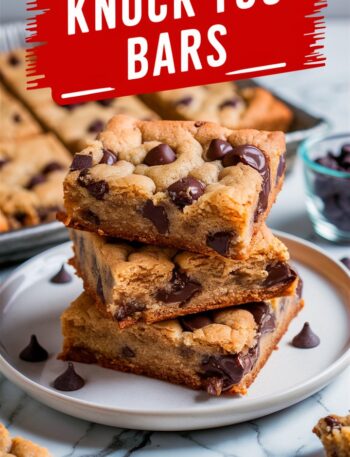
Baking has a unique way of transforming ordinary kitchen moments into heartwarming memories, and few desserts capture that magic better than a beautifully crafted lemon crumb bar. These irresistible bars combine a buttery, tender crust with a bright citrus filling and a golden crumb topping that melts in your mouth. They are nostalgic, comforting, and yet full of refreshing energy at the same time.
Lemon desserts occupy a special place in baking because they bridge the gap between indulgence and freshness. While chocolate sweets tend to be rich and intense, lemon treats are vibrant, aromatic, and uplifting. A bite of a perfectly balanced lemon crumb bar delivers just enough sweetness to satisfy dessert lovers, while the tartness keeps the flavor profile lively and modern.
The Beauty of Lemon Crumb Bars
Lemon crumb bars are the perfect representation of a balanced dessert. Unlike cakes or cookies, they’re uniquely structured to offer contrasting textures and complementary flavors. The crumb crust is delicate yet sturdy enough to support the filling. The lemon layer is silky, vibrant, and slightly tangy. The final crumb topping adds buttery crunch and visual appeal.
This harmony makes lemon crumb bars perfect for a variety of occasions:
- Afternoon tea or coffee
- Spring and summer gatherings
- Bake sales or school parties
- Holiday dessert platters
- Everyday snacks or lunchbox treats
- After-dinner desserts for family dinners
Their versatility also lies in their ability to be served chilled, at room temperature, or slightly warmed, depending on the experience you want to deliver.
What Makes This Dessert Stand Out
There are countless lemon bar variations, but the crumb-style version offers qualities that elevate the experience:
1. Dual Texture
The combination of a firm base and a delicate upper layer offers a more satisfying bite than traditional bar cookies.
2. Balanced Sweetness
The filling is creamy and sweet, but the lemon flavor brightens it, preventing heaviness.
3. Beginner-Friendly Method
The crust doubles as the topping, making preparation simple and efficient.
4. Ingredient Accessibility
Most ingredients are pantry staples or easy to find in local stores.
5. Customization Potential
From gluten-free flour to coconut cream, these bars adapt beautifully to preferences.
6. Professional Appearance
Even without advanced techniques, the bars cut cleanly and photograph beautifully.
Because of these advantages, lemon crumb bars often become a signature recipe that friends and family request regularly.
Understanding the Ingredients
A dessert becomes exceptional when you understand the purpose of each ingredient rather than just tossing items together. Let’s break down what makes each component important.
Flour
Flour provides structure. Too much leads to dry desserts; too little causes soggy results.
Granulated Sugar
Creates sweetness, but also assists browning and tenderizing the crumb.
Brown Sugar
Adds moisture, depth, and caramelized flavor.
Salt
Balances sweetness and enhances flavor.
Butter
Butter is the foundation of the crumb texture—rich, aromatic, and essential to tenderness.
Sweetened Condensed Milk
Provides sweetness and creaminess while helping set the filling during baking.
Egg Yolks
Act as emulsifiers, thickening the filling and adding luxurious texture.
Heavy Cream
Enhances silkiness and soft mouthfeel.
Lemon Juice
The star ingredient—fresh, bright, and beautifully aromatic.
Fresh lemons always outperform bottled juice, both in flavor and acidity.
Fresh citrus equals superior results.
The Science Behind a Perfect Crumb
The crumb mixture used in both the base and the topping is more than just loose flour and butter. When combined properly, it forms a delicately bound structure that holds during baking but remains tender afterward.
Key elements to getting it right:
- Melted butter helps the ingredients bind
- Brown sugar attracts moisture
- Salt sharpens flavor
- Proper pressure prevents crumble failure
Pressing too lightly results in loose, unstable layers.
Pressing too firmly results in a dense, cookie-like crust.
The sweet spot?
Firm enough to hold, but still soft enough to remain delicate.
Why Fresh Lemons Matter
Fresh lemon juice isn’t just about acidity; it also contributes:
- Essential oils
- Aroma
- Natural sweetness
- Flavor complexity
Bottled juice is pasteurized, oxidized, and often mixed with preservatives that create bitterness and dullness.
Fresh lemons provide a clean, bright flavor essential to this dessert.
Essential Tools and Why They Matter
Professional bakers often say, “Your tools are your assistants.” While you don’t need expensive gadgets, the right items make your experience easier and more consistent.
Recommended Tools:
- 9×9-inch baking pan
- Parchment paper (with overhang)
- Mixing bowls
- Whisk
- Measuring cups and spoons
- Rubber spatula
- Sharp knife
Each tool contributes to efficiency, safety, and final appearance.
For example, parchment paper ensures easy removal, preventing cracking, sticking, and damage during slicing.
Step-by-Step Recipe: From Ingredients to Perfection
Here is a detailed, expert-level guide that simplifies execution even for beginners.
1. Preparing the Crust
The base sets the foundation for flavor and structure. Combine flour, sugars, salt, and baking powder. Add cooled melted butter and mix until you achieve a coarse, sandy texture that clumps when pressed.
Press two-thirds into the pan and bake briefly.
This creates a stable base that prevents sogginess.
2. Crafting the Lemon Filling
Whisk together condensed milk, egg yolks, cream, and salt. Then slowly incorporate fresh lemon juice.
Adding the juice gradually prevents curdling and ensures smooth, creamy consistency.
3. Assembling and Baking
Pour filling onto the hot crust, then sprinkle remaining crumb mixture on top. Baking at a consistent temperature sets the filling without over-drying.
Look for:
- Slight jiggle in the center
- Lightly golden topping
4. Cooling and Chilling
Cooling is not optional. The bars must rest for several hours to firm properly, enabling neat, professional-looking slices.
Why Chilling is Critical for Success
The filling contains egg yolks and condensed milk, which thicken as they cool. Cutting too early causes collapse, messiness, and textural loss.
Chill for at least four hours—overnight is ideal.
Variations and Creative Flavor Twists
One of the most appealing aspects of lemon crumb bars is their openness to adaptation. Although the classic version is delightful on its own, exploring variations allows you to craft a dessert that feels uniquely yours. These ideas range from simple adjustments to full transformations that result in entirely new flavor profiles.
1. Lemon Blueberry Crumb Bars
Blueberries and lemon are a classic duo. Their natural sweetness and mild acidity complement the bold tartness of lemon and add pops of color to every bite.
To incorporate blueberries successfully:
- Fold one cup of fresh or frozen blueberries into the filling.
- Toss berries with a teaspoon of flour to prevent sinking.
- Avoid using overly juicy fruit, which can affect texture.
This variation is excellent for summer menus, picnics, and brunch events.
2. Coconut Lemon Crumb Bars
Coconut adds warmth, softness, and tropical aroma to the dessert. The nutty sweetness balances the tang of lemon beautifully.
How to adjust:
- Replace ¼ of the flour in the crust with shredded coconut.
- Add 2 tablespoons of coconut cream to the filling.
- Lightly toast coconut flakes and sprinkle them on top before baking.
This version works well served with iced tea, cold brew, or tropical fruit salads.
3. Lemon Raspberry Crumb Bars
Raspberries introduce a sharp, vivid tartness that intensifies the lemon flavor rather than sweetening it.
Best practices:
- Use fresh raspberries for cleaner structure.
- Press them gently into the filling rather than mixing directly.
- Add an extra tablespoon of sugar to balance acidity if desired.
The final dessert is visually stunning, flavorful, and elegant—ideal for dinner parties.
4. Orange Cream Crumb Bars
For those who love citrus but prefer milder acidity, oranges are an excellent substitute.
To modify:
- Replace lemon juice with freshly squeezed orange juice.
- Add a teaspoon of orange zest to the filling.
- Reduce sweetened condensed milk by two tablespoons to control sweetness.
The result is a velvety, aromatic treat reminiscent of creamsicles.
5. Gluten-Free Lemon Crumb Bars
A gluten-free variation doesn’t need to compromise on texture or flavor.
Recommended:
- Use a 1:1 gluten-free flour blend with xanthan gum.
- Avoid almond flour as the primary base—it crumbles excessively.
- Let the bars cool fully to prevent breakage.
With proper ratios, gluten-free bars remain soft, rich, and stable.
6. Vegan Lemon Crumb Bars
Creating a plant-based version requires thoughtful substitutions.
Try this:
- Replace butter with solid coconut oil or vegan butter.
- Substitute condensed milk with sweetened coconut condensed milk.
- Use plant-based cream.
- Replace egg yolks with 3 tablespoons of cornstarch mixed with plant-based milk.
Baking time may change slightly; watch for firmness rather than color.
🟢 Advanced Troubleshooting and Common Problems
Even experienced bakers encounter challenges. Fortunately, lemon crumb bars are forgiving if you understand the underlying issues.
Below are common problems and how to fix them.
Problem 1: The Crust is Too Dry or Crumbly
Likely causes:
- Too much flour
- Not enough butter
- Overbaking
Solutions:
- Measure flour accurately using spoon-and-level method.
- Use melted butter, not softened or cold.
- Pack the crust firmly before baking.
Problem 2: Filling is Runny or Doesn’t Set
Possible causes:
- Removed from oven prematurely
- Not chilled sufficiently
- Incorrect ratios
Solutions:
- Bake until center is mostly set, with slight movement.
- Chill for minimum four hours.
- Avoid reducing egg yolks or condensed milk.
Problem 3: Bars Taste Too Sour or Too Sweet
Taste balance matters greatly in citrus desserts.
Fixes:
- Adjust lemon juice according to sweetness of condensed milk.
- Add 1 teaspoon lemon zest for intensified flavor without sourness.
- Avoid bottled juice, which can be harsh.
Problem 4: Crust Separates from Filling
This occurs when the filling slides off the base.
Reasons:
- Crust cooled too much before assembly
- Filling was too thin
Solutions:
- Add filling while crust is hot.
- Avoid over-mixing filling, which weakens structure.
Problem 5: Bars Crack After Baking
Causes:
- Excess baking time
- High oven temperature
Fix:
- Check early between 15–18 minutes.
- Cool gradually at room temperature.
🟢 Serving Ideas for Stunning Presentation
Desserts are not only about taste; visual appeal influences perception, appetite, and overall satisfaction. Lemon crumb bars have a naturally rustic look, but small enhancements can elevate them to bakery-quality desserts.
1. Dust with Powdered Sugar
A light coating:
- Softens the color contrast
- Gives a delicate, elegant finish
- Photographs beautifully
Do this right before serving to prevent absorption.
2. Serve with Fresh Whipped Cream
Homemade whipped cream adds:
- Creaminess
- Light sweetness
- Balance
For best results:
- Avoid heavily sweetened whipped toppings
- Add a hint of vanilla or lemon zest
3. Add Fresh Berries for Color and Flavor
Try:
- Raspberries
- Blueberries
- Strawberries
Their acidity enhances the citrus; their color enhances presentation.
4. Drizzle with White Chocolate
White chocolate pairs exceptionally well with tart fruit.
Technique:
- Melt chocolate gently
- Drizzle lightly with a fork or piping bag
Avoid heavy coating that overwhelms flavor.
5. Make Lemon Bar Parfaits
If bars break or crumble, repurpose strategically.
Layer:
- Crumbled bar pieces
- Whipped cream
- Fresh berries
Serve in glasses for a sophisticated dessert.
🟢 Beverage Pairings for a Complete Experience
Pairing food with beverages can deepen enjoyment.
Here are some thoughtful recommendations.
Hot Drinks:
- Jasmine tea
- Earl grey
- Chamomile tea
- Medium-roast coffee
These beverages complement lemon without overpowering it.
Cold Drinks:
- Iced green tea
- Sparkling water with citrus
- Light lemonade
Avoid overly sweet drinks, which compete with dessert.
Alcohol Pairings:
- Moscato
- Prosecco
- Lemon-infused gin cocktails
Not required, but thoughtfully paired beverages elevate special occasions.
🟢 Storage and Shelf Life
Proper storage maintains texture, safety, and taste.
Refrigeration
Best option for freshness.
- Store in an airtight container
- Separate layers with parchment paper
- Lasts up to 5 days
Chilling also improves flavor intensity.
Freezing
These bars freeze remarkably well.
Steps:
- Chill completely
- Wrap individually
- Store in airtight container
Freezer life: Up to 3 months
Thaw overnight in refrigerator.
Avoid microwaving frozen bars—it ruins structure.
Reheating
Lemon bars are best cold or room temperature.
If you prefer warmth:
- Heat for 10–15 seconds
- Avoid over-softening
🟢 Nutrition Overview
While this dessert is indulgent, moderation allows enjoyment without guilt.
General nutritional traits:
- High in carbohydrates and fats
- Good source of vitamin C from lemon
- Rich texture from dairy fats
For lighter options:
- Reduce sugar slightly
- Use reduced-fat condensed milk
- Replace some butter with coconut oil
- Use smaller serving sizes
Balance is the key—not restriction.
🟢 Frequently Asked Questions
Here are thoughtful answers to common queries.
1. Can I use bottled lemon juice?
Not recommended. It lacks brightness and may taste bitter.
2. Can I make these ahead of time?
Yes, and they taste better after chilling overnight.
3. How do I get clean slices?
Use a sharp knife, wipe between cuts, and slice cold.
4. Can I reduce the sugar?
Yes, but avoid reducing condensed milk significantly—it supports texture.
5. Do they need refrigeration?
Yes. Refrigeration is essential for safety and structure.
6. Can I double the recipe?
Yes, bake in a 9×13-inch pan and adjust time accordingly.
🟢 Final Thoughts
Lemon crumb bars are a wonderful example of a dessert that appears simple yet offers endless depth when approached thoughtfully. Their charm lies in the balance of buttery richness and bright citrus freshness, but their versatility makes them an ideal choice for a wide range of occasions.
Whether you serve them as a refreshing treat during warm weather or a comforting dessert in cooler months, these bars have the power to delight children and adults alike. With proper technique, attention to detail, and a willingness to experiment with flavors, you can consistently produce bakery-quality results.