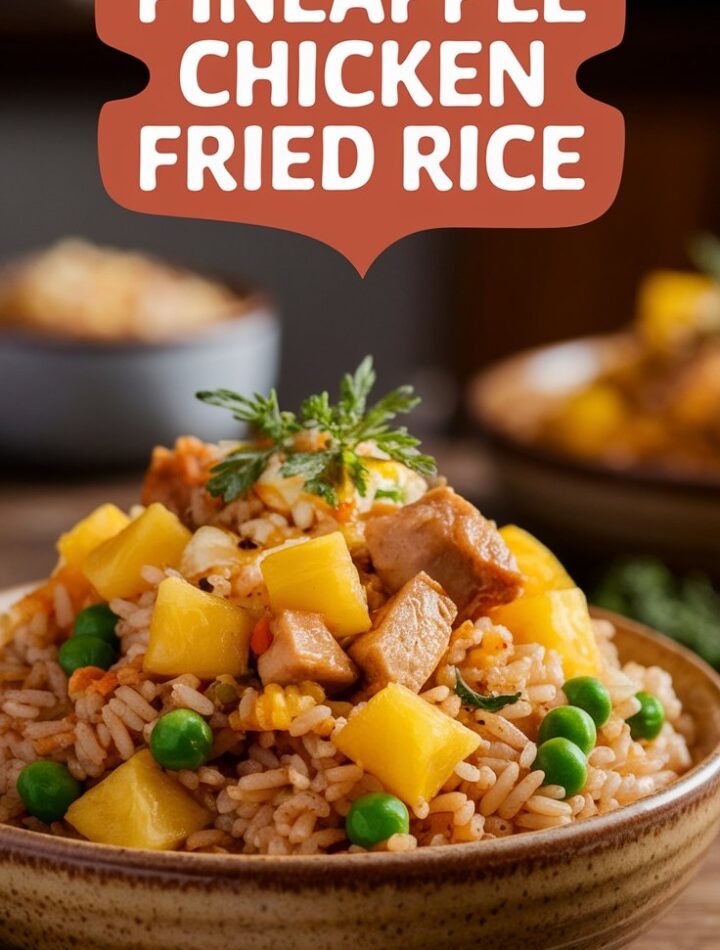
Pineapple Chicken Fried Rice is more than just a quick dinner idea—it is a complete, well-balanced meal that brings together sweet, savory, tangy, and umami flavors in one comforting bowl. This dish combines tender chicken, fluffy rice, colorful vegetables, and juicy pineapple to create a satisfying recipe that works for busy weeknights, meal prep, and even casual entertaining.
Unlike restaurant-style fried rice that can feel heavy or greasy, this homemade version focuses on clean flavors, proper technique, and smart ingredient choices. When prepared correctly, pineapple chicken fried rice is light yet filling, flavorful without being overpowering, and flexible enough to suit many dietary needs.
In this in-depth guide, you will learn everything you need to know to master pineapple chicken fried rice at home. From ingredient selection and cooking techniques to flavor balancing, storage tips, and customization ideas, this article is designed to be practical, user-friendly, and optimized for long-term search visibility.
Why Pineapple Chicken Fried Rice Deserves a Place in Your Weekly Menu
Pineapple chicken fried rice stands out because it offers contrast in every bite. The natural sweetness of pineapple balances savory chicken, while aromatic garlic and ginger provide depth. Rice absorbs the flavors, creating a cohesive dish that feels both comforting and exciting.
This recipe is especially appealing because it:
- Comes together quickly with simple tools
- Uses everyday pantry ingredients
- Works well for leftovers and meal prep
- Can be easily adapted for different diets
- Appeals to both adults and kids
For home cooks who want variety without complexity, this dish delivers consistent results with minimal effort.
Understanding the Flavor Profile
To make truly great pineapple chicken fried rice, it helps to understand how the flavors work together.
Sweet
Pineapple provides natural sweetness that softens the saltiness of soy-based sauces. A small amount of honey or natural sweetener enhances this without overpowering the dish.
Savory
Chicken thighs or breast contribute richness and protein. Proper browning builds a flavorful base that carries through the entire dish.
Aromatic
Fresh garlic and ginger are essential. They add warmth, fragrance, and complexity that elevate the fried rice beyond a basic stir-fry.
Acidic
A splash of lime juice at the end brightens the dish and prevents it from tasting flat or heavy.
Balancing these elements is the key to a restaurant-quality result at home.
Choosing the Best Ingredients
Rice Selection
Rice is the foundation of fried rice, and choosing the right type matters.
- Long-grain white rice produces light, separate grains
- Jasmine rice adds subtle fragrance
- Brown rice offers a slightly nutty flavor and extra fiber
Always use rice that has been fully cooked, cooled, and refrigerated. Fresh rice contains too much moisture and leads to a soft, clumpy texture.
Chicken Choices
Boneless, skinless chicken thighs are ideal because they remain juicy and flavorful during high-heat cooking. Chicken breast can also be used, but it requires careful cooking to avoid dryness.
Cut chicken into uniform bite-sized pieces to ensure even cooking.
Pineapple Options
Both fresh and canned pineapple work well.
- Fresh pineapple offers firmer texture and brighter flavor
- Canned pineapple is convenient and consistent
If using canned pineapple, drain it thoroughly to avoid excess liquid.
Vegetables
Classic choices include:
- Onion
- Bell peppers
- Peas
These add color, texture, and mild sweetness without overwhelming the dish. Additional vegetables can be added based on preference.
Essential Tools for Success
You do not need specialized equipment, but the right tools make a difference.
- Large skillet or wok for even heat distribution
- Sharp knife for clean cuts
- Sturdy cutting board
- Wooden spoon or heat-safe spatula
- Fine grater for ginger
Using a pan large enough to hold all ingredients without crowding is critical for proper frying.
Preparation: Setting Yourself Up for Success
Fried rice cooks quickly, so preparation is essential.
- Cook and chill rice in advance
- Chop all vegetables before heating the pan
- Measure sauces and seasonings ahead of time
- Pat chicken dry before cooking
This approach ensures smooth cooking and prevents overcooking.
Step-by-Step Cooking Method
Step 1: Season and Prepare the Chicken
Lightly season chicken with salt and allow it to rest briefly. This improves flavor penetration and texture.
Step 2: Brown the Chicken
Heat oil over medium heat and cook the chicken until golden and fully cooked. Remove and set aside.
Browning develops flavor that will carry through the entire dish.
Step 3: Sauté Aromatics and Vegetables
Add onion and cook until softened. Stir in garlic, ginger, and bell peppers, cooking until fragrant.
Step 4: Build the Base Flavor
Add soy sauce or a suitable alternative to deglaze the pan. Scrape up browned bits for added depth.
Step 5: Add Rice and Pineapple
Stir in chilled rice, pineapple, and a touch of sweetener. Spread the mixture evenly and allow it to sit briefly between stirs.
Step 6: Finish and Balance
Return chicken to the pan, add peas, and finish with lime juice. Taste and adjust seasoning.
Common Mistakes and How to Avoid Them
Using Fresh Rice
Fresh rice releases steam and becomes mushy. Always use cold rice.
Overcrowding the Pan
Too many ingredients at once prevent proper frying. Use a large pan or cook in batches.
Overcooking Pineapple
Add pineapple toward the end to preserve texture and sweetness.
Skipping Taste Adjustments
Balance is essential. Adjust salt, acidity, and sweetness before serving.
Customization Ideas
Protein Variations
- Shrimp for a lighter option
- Tofu or tempeh for plant-based meals
- Beef strips for richer flavor
Vegetable Add-Ins
- Carrots
- Snap peas
- Zucchini
- Mushrooms
Heat Options
Add chili flakes or mild hot sauce for gentle heat without overpowering the dish.
Dietary Adaptations
Gluten-Free
Use tamari or coconut aminos instead of regular soy sauce.
Dairy-Free
This recipe naturally contains no dairy.
Vegan
Replace chicken with tofu and use a plant-based sweetener.
Serving Suggestions
Pineapple chicken fried rice is a complete meal, but it pairs well with:
- Light soups
- Fresh salads
- Steamed vegetables
Simple sides enhance the meal without competing with the main dish.
Storage and Reheating
Refrigeration
Store in an airtight container for up to four days.
Freezing
Freeze portions for up to three months.
Reheating
Reheat in a skillet with a small amount of oil for best texture.
Meal Prep and Make-Ahead Tips
This dish is ideal for meal prep. Divide into portions and store for quick lunches or dinners throughout the week.
Frequently Asked Questions
Can I make this ahead of time?
Yes. Flavor improves after resting, making it excellent for advance preparation.
Is fresh pineapple better than canned?
Both work well when properly prepared.
How do I prevent soggy rice?
Use cold rice, high heat, and avoid excess liquid.
Why This Recipe Works
This pineapple chicken fried rice recipe focuses on technique rather than shortcuts. Each step builds flavor while maintaining proper texture. The result is a dish that tastes fresh, balanced, and satisfying every time.
Final Thoughts
Pineapple chicken fried rice is a reliable, adaptable recipe that belongs in every home cook’s rotation. It combines comfort with freshness, simplicity with depth, and speed with quality.
By understanding ingredients, respecting technique, and adjusting flavors to your taste, you can consistently produce a dish that rivals restaurant versions while remaining lighter and more wholesome.