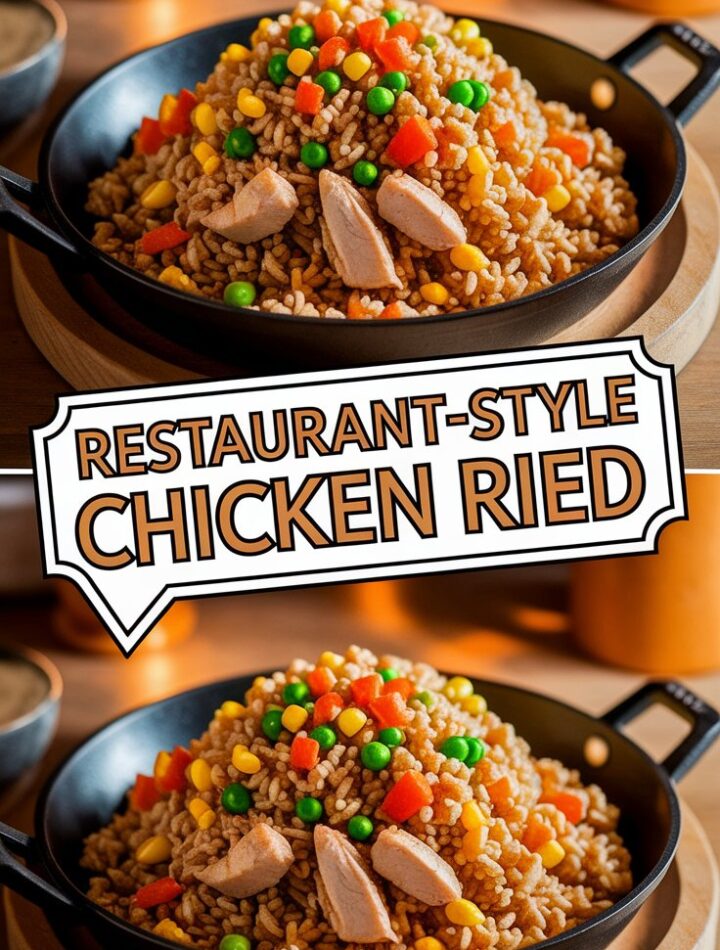
Restaurant-style chicken fried rice is one of those comforting meals that never goes out of style. Loved for its savory aroma, fluffy rice grains, tender chicken, and perfectly balanced seasoning, this dish has become a global favorite. While many people assume that authentic fried rice can only be achieved in restaurants or hibachi kitchens, the truth is that you can make a better-than-takeout version right at home with the correct technique, ingredients, and timing.
This complete guide is designed to help you master restaurant-style chicken fried rice from scratch. Whether you are a beginner in the kitchen or an experienced home cook, this article walks you through everything—ingredients, preparation methods, cooking techniques, common mistakes, healthier options, storage tips, and serving ideas—so your fried rice turns out perfect every single time.
Unlike rushed or generic recipes, this article focuses on quality, clarity, and authenticity, while remaining simple, family-friendly, and suitable for everyday cooking.
What Makes Chicken Fried Rice “Restaurant-Style”?
Restaurant-style chicken fried rice stands apart from basic homemade versions due to a few critical elements:
- High heat cooking that creates lightly crisp rice
- Properly prepared rice with separated grains
- Balanced seasoning rather than overpowering sauces
- Tender, well-seared chicken pieces
- A harmony of textures—soft rice, crisp vegetables, and fluffy eggs
Restaurants rely on technique more than complicated ingredients. Once you understand these fundamentals, your homemade fried rice can easily rival or even surpass takeout quality.
Why Homemade Chicken Fried Rice Is Better Than Takeout
Making chicken fried rice at home offers several advantages:
- Control Over Ingredients
You decide the quality of chicken, oil, and seasonings. This allows for healthier choices and better flavor. - Freshness
Home cooking ensures fresh vegetables, properly cooked protein, and rice that is never over-oiled or greasy. - Customization
Adjust salt, soy sauce, vegetables, or protein according to your taste or dietary needs. - Cost-Effective
One batch feeds multiple people for a fraction of restaurant prices. - Diet-Friendly
Easily adapt for dairy-free, gluten-free (with proper soy sauce), or low-sodium diets.
Essential Ingredients for Restaurant-Style Chicken Fried Rice
Chicken
Boneless, skinless chicken breast is commonly used because it cooks quickly and absorbs flavor well. Chicken thighs may also be used for a juicier result.
Rice
Long-grain rice such as jasmine or basmati is ideal. The rice should be fully cooked and cooled before frying.
Vegetables
Classic vegetables include:
- Onions
- Carrots
- Peas
These provide color, crunch, and natural sweetness.
Eggs
Eggs add richness and texture, creating soft, fluffy bites throughout the rice.
Soy Sauce
Low-sodium soy sauce is recommended to avoid overpowering saltiness while still delivering umami flavor.
Fat (Oil or Butter)
A combination of neutral oil and a small amount of butter creates the signature restaurant flavor without heaviness.
Aromatic Oil
Sesame oil is used sparingly to enhance aroma rather than dominate the dish.
The Importance of Rice Preparation
Rice is the foundation of fried rice, and improper preparation is the most common reason home versions fail.
Why Day-Old Rice Works Best
Freshly cooked rice contains too much moisture, causing clumping and mushiness. Day-old rice has dried slightly, allowing grains to stay separate during frying.
How to Prepare Rice Ahead of Time
- Cook rice normally
- Spread it on a tray to cool
- Refrigerate uncovered or lightly covered for several hours or overnight
If you must use fresh rice, allow it to cool completely and refrigerate for at least one hour before cooking.
Preparation Tips for Best Results
- Cut chicken into small, even pieces for quick cooking
- Measure all ingredients before starting
- Keep heat high but controlled
- Avoid overcrowding the pan
- Use a large skillet or wok for proper heat distribution
Preparation is key because fried rice cooks quickly, and there is no time to pause once cooking begins.
Step-by-Step Cooking Method (Technique Explained)
Step 1: Cook the Chicken
Heat oil in a hot skillet or wok. Add chicken and let it sear undisturbed for a short time. This creates golden edges and locks in moisture. Season lightly and remove from the pan once fully cooked.
Step 2: Cook the Vegetables
In the same pan, sauté onions and vegetables until slightly tender but still crisp. This builds flavor from the chicken drippings left behind.
Step 3: Scramble the Eggs
Push vegetables aside and scramble eggs separately. This prevents them from coating the rice and keeps the texture light.
Step 4: Fry the Rice
Add rice and fat, spreading it evenly. Allow the rice to sit briefly before stirring to develop light crispness.
Step 5: Season and Combine
Add soy sauce gradually and mix thoroughly. Return chicken to the pan and toss everything together until heated through.
Common Mistakes That Ruin Fried Rice
Using Fresh Rice
This leads to sticky, mushy texture.
Too Much Sauce
Excess soy sauce causes soggy rice and overpowering saltiness.
Low Heat Cooking
High heat is essential for proper frying.
Over-Stirring
Constant stirring prevents browning and texture development.
Overcrowding the Pan
This causes steaming instead of frying.
Healthy Adjustments Without Losing Flavor
- Use brown rice for added fiber
- Reduce butter and increase oil slightly
- Add more vegetables for volume
- Choose low-sodium soy sauce
- Control portion size without sacrificing satisfaction
Healthy fried rice is about balance, not elimination.
Variations You Can Try
Vegetarian Version
Omit chicken and increase vegetables or add tofu.
Spicy Fried Rice
Add chili flakes or chili oil sparingly.
Seafood Fried Rice
Replace chicken with shrimp, adjusting cook time accordingly.
Asian-Inspired Add-Ons
Green onions, garlic, or ginger can add extra depth without overwhelming the dish.
Serving Suggestions
Restaurant-style chicken fried rice works well as a standalone meal, but it also pairs beautifully with lighter sides such as:
- Simple soups
- Fresh salads
- Light vegetable dishes
Balance is key—avoid pairing with overly heavy dishes.
Storage and Reheating Tips
Refrigeration
Store leftovers in an airtight container for up to 3 days.
Freezing
Freeze for up to 2 months for quick meals.
Best Reheating Method
Reheat in a skillet with a small amount of oil to restore texture. Microwaving is acceptable but may soften the rice.
Frequently Asked Questions
Can I use brown rice?
Yes, brown rice works well but may need slightly longer frying.
Why does my fried rice taste bland?
Insufficient heat, under-seasoning, or skipping fat are common causes.
Is this recipe dairy-free?
Yes, when using dairy-free butter or oil instead of regular butter.
Can I meal prep this dish?
Absolutely. It stores and reheats well.
Why This Recipe Works Every Time
This method focuses on:
- Proper rice preparation
- Correct cooking order
- Balanced seasoning
- Texture development rather than excess sauce
It respects traditional technique while remaining accessible for home kitchens.
Final Thoughts
Restaurant-style chicken fried rice is not about secret ingredients—it’s about understanding technique, timing, and balance. With the guidance in this article, you can confidently prepare a dish that looks appealing, tastes rich, and satisfies cravings without relying on takeout.