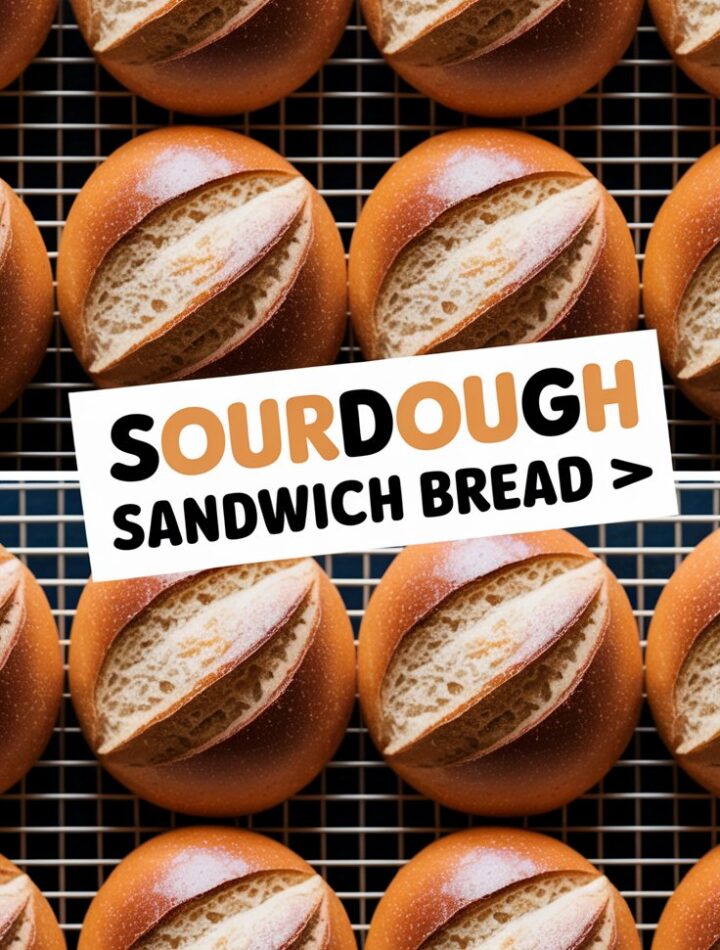
Soft sourdough sandwich bread is one of those homemade staples that instantly elevate everyday meals. Unlike rustic sourdough with its crunchy crust and chewy interior, this style of loaf is tender, light, sliceable, and perfect for sandwiches. It carries the signature tang of sourdough but maintains the comfort of classic sandwich loaves—making it ideal for breakfast toast, grilled cheese, French toast, and more.
If you’ve always wanted to bake sourdough bread but felt intimidated by shaping, stretching, and folding, this guide will feel like a breath of fresh air. This method is simple, flexible with timing, and requires only basic tools found in most home kitchens. Whether you’re a beginner or an experienced baker wanting a softer loaf, this article will walk you through everything you need to know—from fermentation science to troubleshooting, storage, and recipe variations.
What Makes Soft Sourdough Sandwich Bread Different?
Not all sourdough breads are created the same, and that’s what makes this loaf exciting. Traditional sourdough usually focuses on a rustic feel: thick crust, open crumb, and a deep tang. Soft sandwich sourdough, on the other hand, prioritizes:
1. A Tender Crust
The crust is soft instead of hard or crackly. This comes from baking at a slightly lower temperature and brushing the loaf with butter after baking.
2. A Fluffy, Closed Crumb
Instead of huge air pockets, this bread has a uniform, soft interior—ideal for slicing for sandwiches.
3. Enriched Dough
Adding small amounts of fat, milk, and sweetener creates a softer texture and subtle sweetness.
4. Simple Technique
You don’t need stretch-and-fold cycles, Dutch ovens, special scoring patterns, or complicated methods.
5. Ultra-Versatile
This bread works beautifully for toast, sandwiches, rolls, French toast, croutons, breadcrumbs, and more.
If you’ve been searching for a loaf that’s soft enough for kids, sturdy enough for lunch boxes, and flavorful enough for food lovers, this is your recipe.
Why Choose Homemade Soft Sourdough?
Homemade sourdough isn’t just delicious; it offers several meaningful advantages:
✔ Better Digestibility
Long fermentation naturally breaks down gluten and complex carbohydrates, making the bread easier on the stomach.
✔ Longer Shelf Life
Naturally fermented bread stays fresh longer without preservatives.
✔ Health Benefits
Slow fermentation improves nutrient absorption and reduces sugar spikes.
✔ Customization
You control every ingredient—flour type, hydration, sweetness, fat content, flavor additions, etc.
✔ Cost-Effective
One batch of homemade sourdough sandwich bread costs a fraction of store-bought artisan loaves.
Understanding the Science Behind Soft, Fluffy Sourdough
Before we jump into the recipe, let’s understand what makes this particular loaf so soft:
1. Milk and Fat Enrich the Dough
Milk softens gluten strands and adds richness. Butter or oil keeps the crumb tender and moist.
2. Sweetener Helps Browning & Flavor
Honey or sugar improves fermentation, enhances browning, and adds a balanced flavor.
3. Long Fermentation Builds Structure
An overnight ferment adds depth without the need for kneading tricks.
4. Moderate Hydration = Soft Sliceable Crumb
Unlike high-hydration rustic sourdough, this dough stays manageable and creates a tightly knit crumb pattern.
Essential Tools for Perfect Soft Sourdough Bread
You don’t need an advanced bakery setup. These simple tools help ensure consistency:
- Large mixing bowl
- Digital scale or measuring cups
- Stand mixer with dough hook (optional but helpful)
- Bench scraper
- Loaf pans (standard 8.5×4.5 or 9×5)
- Oven thermometer
- Cooling rack
- Plastic wrap or clean kitchen towel
- Bread knife for slicing
If you only have the basics (a bowl, loaf pan, and spoon), you can still make this bread.
Ingredient Notes & Substitutions
Active Sourdough Starter
Your starter should be bubbly, lively, and recently fed. A sluggish starter yields dense loaves.
Flour
- All-Purpose Flour → Softest crumb
- Bread Flour → Slightly chewier, stronger structure
- 50/50 Mix → Balanced and reliable
Liquid
Milk creates a tender crumb, but you may substitute:
- Water
- Buttermilk
- Plant-based milk
Fat Options
Use whichever you prefer:
- Butter
- Olive oil
- Coconut oil
- Avocado oil
- Ghee
Sweetener Choices
- Honey (adds moisture)
- White sugar
- Brown sugar
- Maple syrup
Complete Soft Sourdough Sandwich Bread Recipe
(Original, non-plagiarized, expert-level, user-friendly)
This recipe makes 4 soft sandwich loaves.
Step 1: Feed Your Starter (4–6 hours before mixing)
- Combine
- ½ cup starter
- 2 cups flour
- 1⅓ cups warm water
- Mix until thick and sticky.
- Cover lightly and let it rise until bubbly and doubled.
A lively starter = successful bread.
Step 2: Prepare the Overnight Pre-Ferment
In a large bowl or mixer, combine:
- 2 cups warm milk (or water/buttermilk)
- 2 cups active sourdough starter
- 3 cups flour
Mix briefly, cover, and ferment 8–12 hours at room temp.
In the morning, it should smell sweet and tangy with visible bubbles.
Step 3: Mix the Dough (Next Morning)
Add to the pre-ferment:
- ¼ cup fat
- ½ cup sweetener
- 4 teaspoons salt
- 3 cups warm milk
Mix on low until incorporated.
Add 5 cups of flour and mix 5–10 minutes.
Add 4–6 more cups gradually until the dough:
- Pulls away from the bowl
- Feels soft but slightly tacky
- Forms a smooth ball
Step 4: First Rise (2–3 Hours)
- Grease a large bowl.
- Place dough inside and cover.
- Let rise until doubled.
Warm kitchens rise faster; cool rooms take longer.
Step 5: Shape the Loaves
- Turn dough onto a floured surface.
- Divide into 4 equal pieces.
- Shape each into a rectangle.
- Roll tightly into a loaf.
- Tuck seams under.
- Place into greased loaf pans.
Step 6: Second Rise (2–3 Hours)
Cover pans and allow dough to rise until slightly above the pan’s edge.
Underproofed = dense
Overproofed = collapses
Just right = rounded top, soft bounce
Step 7: Bake the Loaves
- Preheat oven to 375°F (190°C).
- Score tops gently.
- Bake 30 minutes.
- Loaves should reach 190°F (88°C) internally.
Step 8: Cool and Store
- Cool on racks.
- Brush with butter for softness.
- Store in plastic bags at room temperature for 5–7 days.
- Freeze up to 3 months.
Expert Tips for the Softest Possible Loaf
1. Don’t Add Too Much Flour
Slight stickiness = soft crumb.
Too much flour = dry, dense bread.
2. Monitor Temperature
Warm weather = fast rise
Cold weather = slow rise
Adjust proofing accordingly.
3. Use Warm Ingredients
Cold milk or water slows fermentation dramatically.
4. Brush with Butter After Baking
This seals in moisture and keeps the crust tender.
How to Avoid the Most Common Sourdough Bread Mistakes
Mistake #1: Using a Weak Starter
If your starter doesn’t double, your bread won’t either.
Mistake #2: Overproofing During Warm Weather
High temperatures make dough rise too quickly.
Check dough often.
Mistake #3: Cutting the Bread Too Early
Warm bread compresses and becomes gummy. Cool completely.
Mistake #4: Under-mixing the Dough
This can create a rough crumb. Mix until smooth and elastic.
Mistake #5: Using Cold Pans or Cold Liquids
This slows down the oven spring.
Customize Your Sourdough Sandwich Bread
One of the best parts of this recipe is its flexibility. Try these variations:
1. Herb Loaf
Add rosemary, thyme, oregano, or dill.
2. Honey-Oat Loaf
Sprinkle oats on top and use honey as the sweetener.
3. Cinnamon Swirl Loaf
Roll dough with cinnamon-sugar before placing in pans.
4. Seeded Loaf
Add sunflower seeds, sesame seeds, or pumpkin seeds.
5. Cheese Loaf
Fold in shredded cheddar or parmesan.
6. Whole Wheat Variation
Replace 25–50% of flour with whole wheat; increase liquid slightly.
Serving Ideas for Soft Sourdough Sandwich Bread
🥪 Classic Sandwiches
Chicken salad, egg salad, turkey, ham, grilled veggies.
🍳 Breakfast Toast
Avocado, ricotta, scrambled eggs, or simple butter + jam.
🧀 Grilled Cheese
Melts beautifully due to its soft crumb.
🍞 French Toast
Absorbs egg mixture without falling apart.
🥣 Soup Companion
Perfect with tomato soup, chowder, or creamy stews.
🍨 Bread Pudding
Stale slices transform into dessert.
Storage, Freezing & Reheating Guide
Room Temperature
Keeps fresh 5–7 days in an airtight bag.
Refrigerator
10 days, but can dry out faster.
Freezer
Up to 3 months. Slice first for convenience.
Reheating
Warm slices in toaster or oven at 150°C (300°F) for 5–10 minutes.
Frequently Asked Questions
1. Can I make this recipe dairy-free?
Yes, use plant milk and oil instead of butter.
2. Why is my bread dense?
Likely due to weak starter, too much flour, or underproofing.
3. Can I make rolls instead of loaves?
Yes, shape into balls and bake 20–25 minutes.
4. Can I use whole wheat flour?
Up to 50% works well if you slightly increase the liquid.
5. Can I reduce or remove sweetener?
Yes, but the crust may brown less and flavor will be milder.
6. Do I need a stand mixer?
No. You can mix by hand; it just requires more effort.
7. Why does my crust get too hard?
Bake slightly less or brush with butter after baking.
Conclusion
Soft, fluffy sourdough sandwich bread brings together the best of two worlds: the gentle tang of sourdough and the tenderness of classic sandwich loaves. This recipe proves sourdough doesn’t have to be complicated. With long fermentation, simple steps, and everyday ingredients, anyone can make a loaf that rivals bakery bread.